
The best birthday gift for a child is one they'll still reach for in January — not the trendiest item in the store. Canadian parents and gift-givers in 2026 are choosing presents that spark genuine curiosity, build real skills, and earn their shelf space year-round. This guide covers kids aged 5–13 by age, interest, and budget, with real products, real CAD prices, and named Canadian retailers throughout.
Posts in This Series
The One Question That Cuts Through Every Gift Decision
Before you browse, ask yourself: will this still be used six months from now? That filter kills impulse buys and novelty items that lose their appeal by the following weekend.
Open-ended toys — building sets, art supplies, dress-up kits — consistently pass this test because they grow with the child. Single-function gadgets usually don't. The Canadian Paediatric Society's age-stage developmental milestones are a useful reference when deciding whether a toy suits the child you're buying for.
Canada's climate makes this filter even sharper. Gifts that work year-round, or that tackle winter head-on (sleds, snow-building kits, indoor craft sets), consistently earn their keep in a way that warm-weather-only toys don't.
Skip the duplicate gifts. A GetJoyBox birthday registry lets guests claim items before buying. Create your birthday wishlist →
Ages 5–7: Building, Creating, and Tactile Play
Kids this age learn through their hands — fine motor skills, imaginative storytelling, and physical confidence are all in rapid development. Your best options are things they can touch, build, make, and move.
LEGO Classic Creative Brick Box (~$50–$60 CAD on Amazon.ca) is a perennial pick: open-ended, reusable, and challenging without being frustrating. Magna-Tiles work solo and collaboratively — Snuggle Bugz carries both. For imaginative play, dress-up costumes, play kitchens, and simple puppet theatres deliver hours of screen-free storytelling. Always check Health Canada's toy safety guidance for label requirements before buying art supplies.
Outdoors, a balance bike or the Micro Mini Deluxe scooter (~$120 CAD at Well.ca) builds coordination and confidence through every warm season. For age-specific picks, see Birthday Gifts for a 5-Year-Old Girl and Birthday Gifts for a 5-Year-Old Boy.
Combination that works: one building gift plus one active or outdoor gift covers rainy days and sunny ones all year.
| Gift | Price (CAD) | Retailer | Play Type |
|---|---|---|---|
| LEGO Classic Creative Brick Box | ~$50–$60 | Amazon.ca | Building |
| Magna-Tiles (32-pc) | ~$60–$70 | Snuggle Bugz | Construction |
| Micro Mini Deluxe Scooter | ~$120 | Well.ca | Active/Outdoor |
| Dress-up Costume Set | ~$30–$45 | Amazon.ca / Indigo | Imaginative |
| Washable Art Supply Set | ~$25–$35 | Walmart / Amazon.ca | Creative |


Ages 8–10: Challenge, Mastery, and Deepening Interests
Kids aged 8–10 want to get *good* at things. The gifts that land are the ones that reward effort and stay challenging over multiple sessions.
GraviTrax marble run systems (from ~$60–$80 CAD at Mastermind Toys or Amazon.ca) are consistently strong — expandable, genuinely difficult, and satisfying to master. Osmo Genius Starter Kit (~$100 CAD on Amazon.ca) introduces computational thinking in a tactile way that doesn't feel like screen time. A quality toy bought at 8 can realistically deliver two or three years of regular use, which makes investing a little more worthwhile.
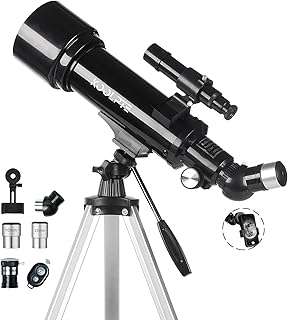
For specific interests: a detailed nature encyclopedia or Schleich figurine set (~$25–$40 CAD at Indigo) for animal lovers; a beginner telescope or model rocket kit for space fans; Ticket to Ride or Catan Junior for the whole family to play together. See Birthday Gifts for an 8-Year-Old Boy and Birthday Gifts for an 8-Year-Old Girl for deeper shortlists.
Your move: Identify one specific thing the child is into right now and build the gift around deepening that passion.


Ages 11–13: Experiences, Identity, and Independence
Generic gifts fall flat with pre-teens. Personalized, experience-based, or identity-affirming gifts are what actually get used.
Experience gifts are strong here: concert tickets, a pottery workshop, cooking class, ski lift tickets, or a contribution toward something they're saving up for. Many Canadian attractions — Science World in Vancouver, the Ontario Science Centre, the Calgary Zoo — offer gift memberships that keep paying off all year.
For physical gifts, lean into their emerging identity: a quality sketchbook and professional-grade pencils from Deserres (~$40–$60 CAD) for the artist; a Yoto Player for the reader; a custom skateboard deck for the skater. A premium board game like Codenames or Wavelength (~$30–$40 CAD at Mastermind Toys) works well socially too. If you're unsure what they want, encourage their family to start a birthday registry so contributions go toward something they've actually chosen.
Your move: Ask the child or their parent for one specific thing they've been wanting. Pre-teens have opinions — use them.


The Experience Gift Shift: Beyond the Toy Box
More Canadian parents are choosing experience-based gifts over physical ones — not just to cut clutter, but because the memories genuinely last longer than most toys.
A zoo pass, museum membership, ski lift tickets, or lessons in a sport or art form all make strong birthday presents. The Royal Canadian Geographical Society and institutions like Science World and the Canadian Museum of Nature offer gift memberships that feel special on the day and keep delivering for months.
Experience gifts also pair naturally with group gifting. Instead of five friends each buying a $30 item, they can pool toward a $150 experience the child will actually remember. GetJoyBox makes coordinating those contributions easy for Canadian families.
Your move: Check what local attractions or studios near the family offer gift certificates — a local experience often means more than a shipped box.
The Screen-Free Gift Case
Screen-free gifts aren't anti-technology — they're about balance. The kind of play that builds spatial reasoning, physical coordination, social skills, and creative confidence still requires hands, bodies, and other people.
The options are genuinely excellent: Crayola's Ultimate Art Case (~$35 CAD at Walmart or Amazon.ca), durable outdoor toys, hands-on science kits, and classic board games all foster deep engagement. The Canadian Paediatric Society recommends consistent limits on recreational screen time for school-age kids — a screen-free gift is a natural, non-preachy way to support that. Health Canada's physical activity guidelines also make the case that active play is foundational to healthy development, so a jump rope, lawn game set, or quality sports ball isn't just fun — it's genuinely good for the child.
Your move: Pair your screen-free gift with a short note about what you love about it — it helps the child and their parents get excited about using it.


National Geographic Science Activity Kit (ages 6+) 18-Piece
CANational Geographic
Budget pick
Shop by Interest, Not Gender
Drop the "Is this a boy gift or a girl gift?" question and ask instead: does this match what *this specific child* loves? That reframe opens up your options and avoids the miss of shopping by stereotype rather than personality.
Engineering kits, art supplies, and sports gear are genuinely universal. Retailers like Mastermind Toys and Indigo increasingly organize by theme and interest rather than gender, which makes this easier in practice. A dinosaur fan? A detailed model kit or dinosaur science experiment set from Well.ca covers both the interest and developmental value. Love performing? A karaoke machine or magic trick starter kit (~$30–$50 CAD on Amazon.ca) lands well regardless of who's receiving it. For a deep dive on gender-neutral picks, see Gender-Neutral Birthday Gifts for a 6-Year-Old.
Your move: Write down three specific things the child loves — not categories, but specifics — and use those as your search terms.

National Geographic Science Activity Kit (ages 6+) 18-Piece
CANational Geographic
Budget pick
Budget Guide: $30, $60, and $100 CAD
You can give an excellent gift at any budget. The key is knowing which price point unlocks which category.
At $30 CAD: A science experiment kit from Scholar's Choice, a well-chosen art supply set, or a beloved chapter book series from Indigo. Perfect as a solo friend gift or a thoughtful add-on.
At $60 CAD: The sweet spot for building sets and games. Mid-range LEGO sets, quality wooden puzzles, the Botley 2.0 coding robot, or a durable scooter for younger kids. Snuggle Bugz regularly runs sales that bring $80 items into this range.
At $100 CAD: Go for longevity — a quality bicycle, a sophisticated science kit, a premium outdoor piece, or an experience contribution. Good snowshoes (MEC and Canadian Tire both start around $80–$100 CAD), a complete art studio set from Deserres, or a GraviTrax expansion bundle all deliver lasting value.
Statistics Canada data indicates Canadian families average 1.4 children, which means individual birthdays carry real weight. A $60–$100 gift chosen thoughtfully will be remembered far longer than a $150 gift chosen hastily.

Where to Shop in Canada
Canada has strong options for children's gifts — you don't need to cross-border shop or gamble on US shipping timelines.
Mastermind Toys is the gold standard for Canadian-owned toy retail. Staff are knowledgeable, curation is developmental, and sections are organized by age and interest. Describing the child to a Mastermind staffer almost always gets you somewhere useful.
Amazon.ca offers the broadest selection and fastest shipping — but always verify product safety certifications. Look for CSA Group stamps on electrical items and confirm products meet Health Canada standards, not just US or EU ones. Filter reviews by Canadian customers for the most relevant feedback.
Well.ca carries a strong range of wooden toys, eco-friendly options, and educational materials with reliable coast-to-coast shipping. Snuggle Bugz is excellent for ages 1–8, with well-curated picks and frequent sales. Don't overlook local independent toy stores and activity providers — a studio gift certificate supports a small Canadian business and often makes a more memorable gift than anything shipped in a box.
Your move: Start with Mastermind Toys or Well.ca for curated options, then check Amazon.ca to compare pricing before you commit.
What Most Gift Guides Skip About Canada
Canada's seasons aren't just weather — they determine which gifts actually get used. A January birthday calls for gifts that work indoors or embrace winter: quality sleds, snow-building kits, cozy reading bundles, or indoor craft sets. A July birthday is your window for outdoor gear. Match the gift to the season and it earns immediate shelf space instead of waiting until June.
Product availability is another Canadian-specific reality. Popular US releases often take weeks or months to appear on Amazon.ca or at Mastermind Toys, and stock levels run lower than American retailers. Check availability two to three weeks before the birthday rather than assuming it'll be there.
Finally, group gifting is quietly becoming the norm for Canadian families. Rather than duplicated or unwanted $30 items, friends and family increasingly pool toward one experience or larger gift the child genuinely wants. GetJoyBox is built specifically for the Canadian market — shipping estimates, retailer links, and pricing are accurate from the start, unlike US-focused platforms. If you're coordinating a group gift, start a registry early and skip the awkward group chat entirely.
For a first birthday specifically, Best Gifts for a Baby's First Birthday (Canada, 2026) has everything you need.
Frequently Asked Questions
What are the best kinds of gifts for a 5-year-old in Canada?▾
How do I choose a birthday gift for a 10-year-old?▾
Are experience gifts popular for Canadian kids?▾
Where can I find good quality, Canadian-focused children's gifts?▾
How can I ensure a gift is safe and age-appropriate?▾
What's different about gifting in Canada versus the US?▾
Keep reading



Set Up a Birthday Registry on GetJoyBox
Skip the duplicate gifts. GetJoyBox lets friends and family see what's left, claim items before buying, and shop from any Canadian store. Free and easy.
Create Your Birthday RegistryHave an idea? See what's new?
GetJoyBox is a passion project that grows with your feedback. Leave a feature idea or check the latest updates.