
Travelling with a baby in Canada is more manageable than most new parents expect — and the payoff is enormous. Domestic trips strip away passports, currency headaches, and complex airline rules, letting you focus on Canada's breathtaking scenery and familiar safety standards. Whether you're road-tripping to Muskoka, booking a Rockies cabin, or hopping a WestJet flight to PEI, this guide covers everything you need to travel confidently with your little one.
Road-Tripping with a Baby: Pace Is Everything
Aim for 3–4 hours of driving per day, broken into segments that align with nap times. Driving during a nap turns a fussy stretch into quiet, effortless kilometres. When you stop, make it purposeful — find a grassy area for tummy time, use a provincial rest stop, or duck into a national park visitor centre with family-friendly facilities.
Canada's scale tempts parents into ambitious single-day drives. Resist it. A Toronto-to-Muskoka run works beautifully when broken into shorter legs with planned stops at scenic lookouts or charming small towns. The slower pace transforms potential stress into genuine exploration. Pack a portable changing pad and a small play mat so any stop becomes a clean, comfortable break.
(Health Canada consumer product safety overview)


Getting ready for baby? Build your free Canadian registry in minutes — add items from any store. Create your free baby registry →
Must-Have Gear for the Canadian Road Trip
Three items consistently earn their trunk space on Canadian road trips with a baby.
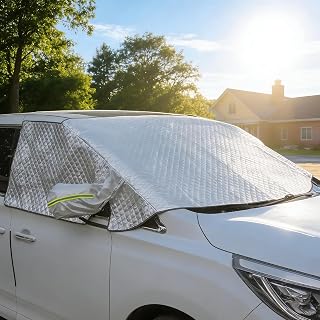
A high-quality insulated cooler keeps breast milk, formula, and snacks at safe temperatures across long stretches where refrigeration is unavailable. A portable white noise machine — compact options from HoMedics pack easily — masks unfamiliar hotel and cabin sounds so your baby sleeps as well on the road as at home. Quality window shades, whether suction-cup or full-sleeve style, are non-negotiable: Health Canada recommends keeping babies under 12 months out of direct sunlight, and shades also reduce cabin heat on warm summer days.
Add these to your gift registry before your first trip — they'll get used on every journey you take.
(Statistics Canada on Canadian retail spending)
| Item | Why It Matters | Where to Buy |
|---|---|---|
| Insulated cooler | Keeps milk & food safe on long drives | Canadian Tire, MEC |
| Portable white noise machine | Consistent sleep in unfamiliar places | Well.ca, Amazon.ca |
| Car window shades | Sun protection + cooler cabin temp | Snuggle Bugz, The Bay |
| Portable changing pad | Clean surface at any stop | Well.ca, Indigo |

Cabin and Cottage Stays: Pack Smart, Not Heavy
Most Canadian cottage rentals include basic kitchenware and a high chair — confirm before you pack. Focus your gear list on portability. A lightweight travel crib (Graco and BabyBjörn both make excellent options) beats a bulky playpen every time. Bring familiar blankets and one favourite stuffed animal to anchor your baby's sleep routine in an unfamiliar space.
Leave most toys at home. The Canadian landscape — a lakeshore, a forest path, a gravel beach — is genuinely engaging for babies who are experiencing it all for the first time. A stroller that handles mixed terrain (paved paths and cottage gravel alike) matters more than a second bag of entertainment. The simpler you pack, the more you'll enjoy the trip.
(Better Business Bureau of Canada — rental property tips)

Graco Pack n Play Travel Dome LX Playard with Canopy
Graco
Premium
Camping with a Baby: Is It Feasible?
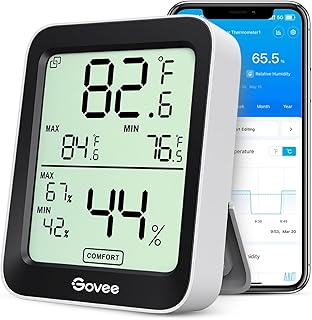
Most parents find camping genuinely workable once their baby reaches 6–12 months. Before that, managing sleep schedules and unpredictable weather in a tent is exceptionally hard. Temperature is the critical variable: Health Canada recommends keeping infants at 20–22°C (68–72°F) for safe sleep, so plan for shoulder seasons (late spring or early fall) in milder climates, or peak summer in cooler regions like the Rockies.
Always book a backup accommodation — a nearby motel or cabin — in case weather turns. Inside your tent, a well-insulated portable sleeping pad or baby sleeping bag makes a real difference. A battery-powered fan or small portable heater helps you hit that safe temperature range. Successful baby camping comes down to meticulous preparation and genuine flexibility.

Flying Domestically with an Infant
Canadian airlines — Air Canada and WestJet included — charge an infant fare of roughly 10% of the adult fare plus taxes for babies under two travelling on a lap. That ticket typically includes one free diaper bag separate from your carry-on allowance.
The car seat question divides parents. A Transport Canada–certified aviation car seat gives your baby the safest and most familiar seat on the plane, but it requires purchasing an additional ticket. Not all car seats carry aviation certification, so check your seat's label and your airline's policy before you fly. If you skip the extra seat, most airlines let you gate-check your car seat at no charge so it's waiting at your destination. Canadian airports are well set up for families, with dedicated family washrooms and changing facilities at major hubs.
(Transport Canada child car seat information)


Canada's Best Family Destinations for Baby's First Trips
Canada's domestic options range from coast to coast and suit wildly different travel styles.
| Destination | Why It Works | Best Season |
|---|---|---|
| Banff, AB | Stroller-friendly trails, mountain scenery | Jun–Sep |
| Tofino, BC | Beach, whale watching, tidal pools | Jul–Aug |
| PEI | Red sand beaches, relaxed pace, family attractions | Jun–Sep |
| Muskoka, ON | Cottage country, lakes, gentle boat rides | May–Oct |
| Gaspésie, QC | Scenic coastal drives, fishing villages | Jun–Sep |
The Parks Canada Discovery Pass: Best Value for Families
The Parks Canada family/group Discovery Pass costs $145 CAD and unlocks unlimited access to every national park and national historic site for a full year. It covers your vehicle and all occupants, so one purchase covers every spontaneous stop — Banff one month, Quebec City's fortifications the next.
Buy it online through the Parks Canada website or at any park entrance. Given that daily vehicle entry to a park like Banff runs $10–$21, a single multi-park road trip recovers the cost quickly. For families who want to explore Canada's protected places without tallying entry fees at every gate, this pass is a straightforward yes.
What Nobody Tells You About Baby Travel in Canada
Canadian parents rely on specialized retailers — Snuggle Bugz, West Coast Kids, and Well.ca — for baby gear that big-box stores don't always stock. Shipping times vary significantly across provinces, so order ahead, especially if you're in a remote area.
Canadians travel in all four seasons, and that shapes gear culture. Even a July trip to cottage country warrants waterproof layers and a wind-resistant outer shell — coastal and mountain weather shifts fast. And while major highways between cities are well-maintained, services grow sparse quickly between them. On long stretches of Northern Ontario or the Prairies, treat fuel, water, and snacks as non-negotiables, not afterthoughts. With a baby on board, that preparedness becomes essential.

Common Mistakes to Avoid
Relying on hotel-provided cribs is the most consistent error parents report. Quality and safety standards vary enormously. Bring your own — a Guava Family Lotus or BabyBjörn Travel Crib Light packs small and meets Health Canada's safe sleep guidelines, reducing SIDS risk with a familiar, certified sleep surface.
Overpacking is a close second. Versatile clothing, two or three comfort items, and key gear like a portable high chair or soft carrier will cover almost every situation. Most parents discover after their first trip that they used half of what they packed.
Finally, don't underestimate drive time. A 2-hour trip becomes 4 hours with an unscheduled feeding, a blowout, or a baby who simply needs a break. Build buffer time into every day, avoid back-to-back travel days, and treat a slower pace as a feature — not a failure.
(Canadian Paediatric Society — safe sleep recommendations)
Graco Pack n Play On the Go Playard with Bassinet
Graco
Mid-range

Frequently Asked Questions
What are the key considerations for driving distance when road-tripping with a baby in Canada?▾
Can you recommend essential baby gear for a Canadian road trip?▾
What should I pack for a cabin or cottage stay with a baby in Canada?▾
What's the recommended age to start camping with a baby in Canada?▾
How do Canadian airlines handle infant fares and car seat policies?▾
Is the Parks Canada Discovery Pass worth it for families with a baby?▾
Keep reading


Build Your Baby Registry on GetJoyBox
Canadian families trust GetJoyBox for baby registries that work with any store — Amazon.ca, Snuggle Bugz, Well.ca, or anywhere you shop. Free to create, free to share.
Start Your Baby RegistryHave an idea? See what's new?
GetJoyBox is a passion project that grows with your feedback. Leave a feature idea or check the latest updates.