
Travelling with a baby in Canada is completely doable — and more rewarding than you'd expect. What you need is a realistic plan, the right gear for Canada's wildly varied climates, and a willingness to let your baby set the pace. This guide covers everything from navigating YYZ with a lap infant to finding a safe sleep setup in a Banff hotel room, with real products, real retailers, and real CAD prices.
Posts in This Series
Embrace Baby-Led Travel
Travelling with a baby means their schedule becomes the itinerary — and that's not a limitation, it's just a different kind of trip. Think shorter outings, earlier nights, and built-in downtime for naps. The parents who enjoy it most stop trying to replicate their pre-baby trips and lean into what's genuinely achievable right now.
That might mean choosing a destination for stroller-friendly sidewalks rather than nightlife, or booking a quiet corner room instead of the one with the view. A mid-flight blowout, a skipped nap, a meal launched across a restaurant table — none of these are catastrophes. Your flexibility is your greatest travel asset.
Start each trip by asking: what would make this enjoyable for our family, not just doable? That question guides every decision from destination to packing list. Always factor in Health Canada's safe-sleep guidance when planning overnight stays.
Getting ready for baby? Build your free Canadian registry in minutes — add items from any store. Create your free baby registry →
Dressing Your Baby for Canada's Extremes
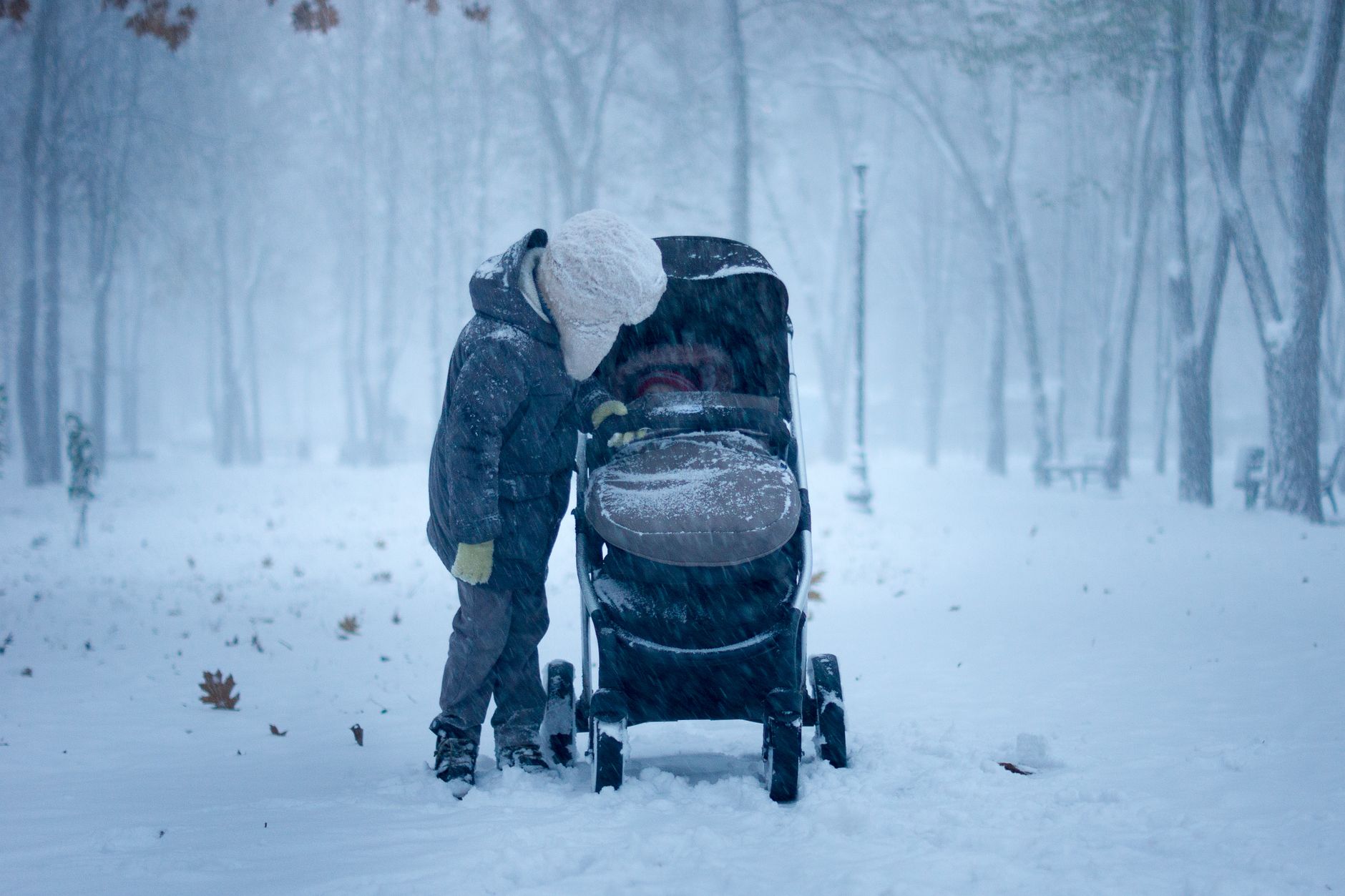
Canada's climate range is extreme, and your packing list needs to match your actual destination. Winter travel to Manitoba, Quebec City, or the Prairies means a proper insulated snowsuit, waterproof mittens, ear-covering hat, and warm footed booties. Layer from the inside out: merino wool or fleece base, a mid-layer, then a waterproof outer shell. Babies lose heat faster than adults — always err warm.
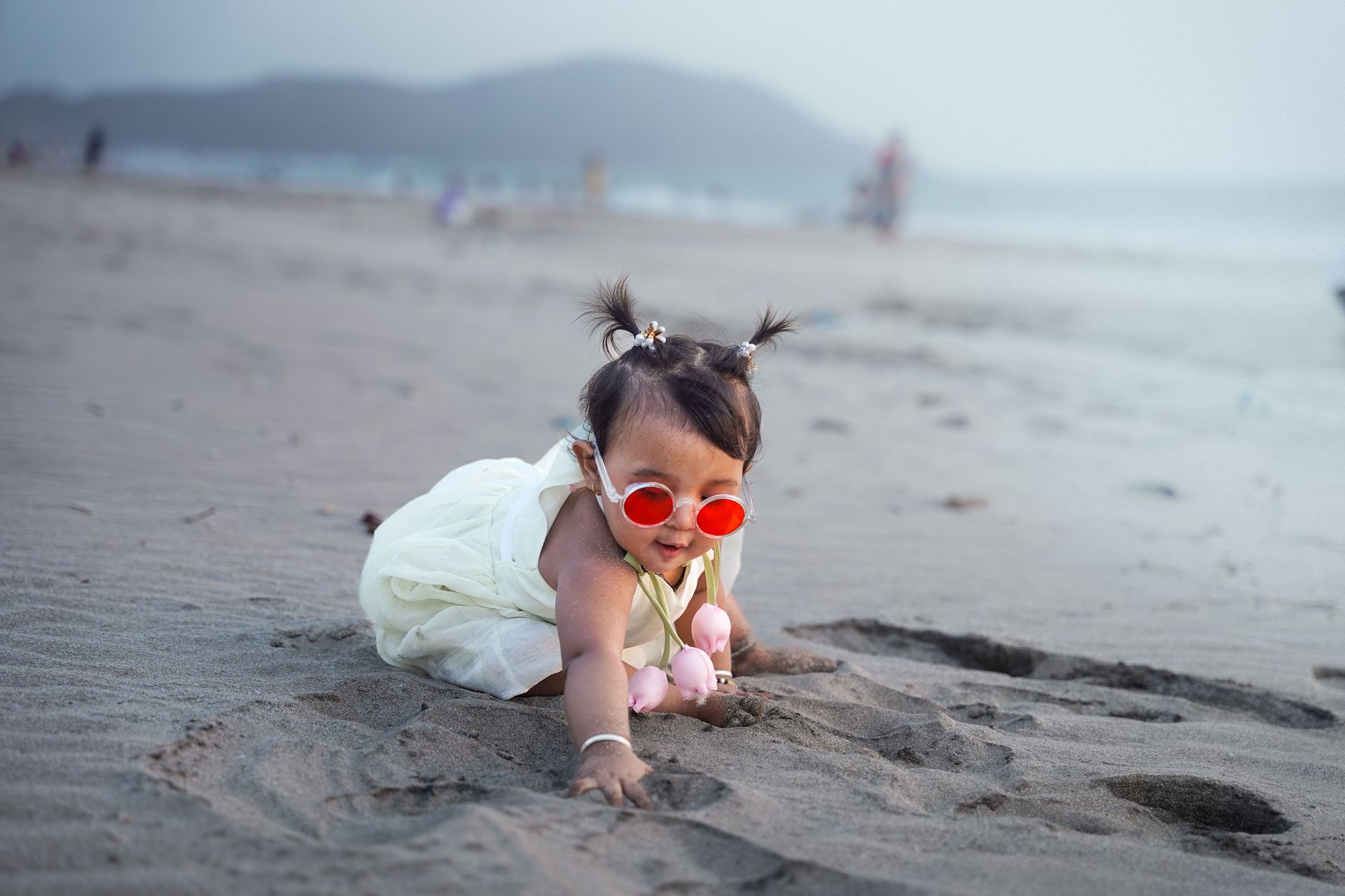
Summer trips to the Okanagan, PEI, or the Muskokas call for lightweight cotton onesies, a wide-brim sun hat, and UV-protective clothing — but still pack a light fleece. Air-conditioned restaurants and indoor attractions get surprisingly cold, and Canadian weather shifts fast.
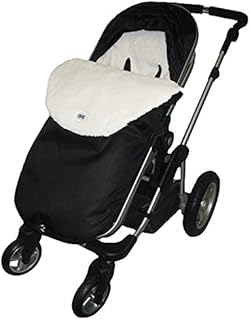
For cold-weather travel, use a stroller footmuff (Snuggle Bugz carries compatible options around $120 CAD) rather than a bulky snowsuit under the harness — snowsuit padding compresses in a crash, reducing harness effectiveness. For summer, a breathable mesh stroller liner and small clip-on fan make a real difference. Winter car seat covers are the safer choice; find them on Amazon.ca or Well.ca. See Transport Canada's child car seat safety page for current standards.
| Season | Clothing essentials | Key gear |
|---|---|---|
| Winter | Merino base, fleece mid, waterproof shell, mittens, ear hat | Stroller footmuff (~$120 CAD), car seat cover |
| Summer | Cotton onesies, wide-brim sun hat, UV clothing + light fleece | Mesh stroller liner, clip-on fan |
| Shoulder | Layers you can add or remove quickly | Waterproof stroller cover |


Budget-Friendly Gear: What Actually Earns Its Weight
Ask one question about every item: does this earn its weight? A lightweight stroller under 7 kg with a one-hand fold is the single best travel investment you can make — it moves fast through airports and fits in most regional overhead bins. Chicco and Graco both offer solid options in the $180–$220 CAD range on Amazon.ca or at Walmart, and a well-maintained used stroller works just as well.
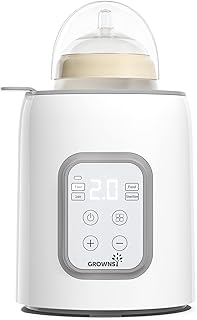
Sleep is your next priority. A portable play yard gives your baby a safe, familiar surface wherever you land. The Graco Pack 'n Play and Evenflo BabyGo are widely available at Canadian Tire or Amazon.ca, typically under $140 CAD — confirm any secondhand model meets current Health Canada safety standards. For feeding, pack extra bottles, a battery-operated bottle warmer (under $45 CAD at Shoppers Drug Mart or Well.ca), and a diaper bag that doubles as your carry-on.
Skip the wipe warmer and the travel bottle sterilizer if boiling water is available at your destination. Put that budget toward genuinely versatile items instead: a large muslin swaddle works as a blanket, nursing cover, sunshade, or changing pad. Reusable zip pouches keep snacks, toys, and pouched baby food organized without bulk. For a full breakdown of what makes the cut, our minimalist registry guide is worth reading before you pack. Transport Canada's car seat rules apply to any seat you bring on the road.
Graco Pack n Play On the Go Playard with Bassinet
Graco
Mid-range
Destination Deep Dive: Canada and Beyond
Canada is one of the best places in the world to travel with a baby. National and provincial parks from Banff to Cape Breton offer stroller-accessible trails, and cities like Vancouver, Toronto, and Montreal have excellent children's museums, splash pads, and family-friendly infrastructure. Staying domestic also means you already know the healthcare system — no navigating foreign emergency rooms or deciphering travel insurance fine print in another language.
International travel adds layers worth researching in advance. Check Health Canada's travel advisories and vaccination recommendations, and find out what formula or baby food is locally available — don't assume your brand will be on shelves abroad. Understand lap infant fees before you book: on domestic Canadian routes, lap infants typically fly free, but Air Canada and WestJet both charge $25–$150 CAD on international routes depending on destination. That fee can make buying a separate seat the smarter financial call on longer flights.
Regardless of destination, pack a basic infant first-aid kit: age-appropriate acetaminophen or ibuprofen, antiseptic wipes, a digital thermometer, saline drops, and any prescriptions with original labels. Look up the local emergency number before you arrive — in Canada it's 911, but it varies internationally.
Safe Sleep Away From Home
Sleep disruption is the thing most travelling parents dread most — and it's legitimate. The good news is that consistency travels better than gear does. Bringing pieces of your baby's existing bedtime routine — their sleep sack, a white noise machine, the same dim nightlight — signals that sleep time is sleep time regardless of the postal code.
Bring your own portable sleep surface if you can. Hotel cribs vary widely in quality and safety, and you'll sleep better knowing your baby is in something you've vetted. Health Canada's safe sleep guidelines apply everywhere: firm, flat surface, fitted sheet, no loose blankets, pillows, or bumpers, always on their back.
Protect the bedtime routine even while travelling — a short version of bath, song, and dim lights still cues your baby's nervous system to wind down. Set up the sleep space before your baby needs it. A five-minute setup on arrival pays off significantly at 2 a.m. For more on safe sleep gear, see our complete baby registry checklist.
Graco Pack n Play Travel Dome LX Playard with Canopy
Graco
Premium
Hatch Rest Plus 2nd Gen Portable Sound Machine and Night Light
Hatch
PremiumFeeding on the Go: Breastfeeding, Formula, and Solids
If you're breastfeeding, you're legally protected to nurse in public anywhere in Canada. Most major airports — YYZ, YVR, YUL, and YYC — have dedicated nursing rooms marked by the baby or family icon on airport maps. Larger Indigo locations, shopping malls, and many recreation centres also have family rooms with comfortable seating. A nursing cover is entirely optional.
For formula feeding, pre-measure powder into individual dispensers or pack ready-to-feed bottles for travel days. A battery-operated portable bottle warmer (under $45 CAD at Well.ca or Shoppers Drug Mart) handles warming without hunting for a microwave. A car-adapter version is worth it for long road trips through provinces where rest stops are far apart.
Water access matters for safe formula preparation — a thermos of hot water cooled to the right temperature works well on the move. Always follow your formula brand's mixing instructions precisely. CATSA exempts breast milk, formula, and baby food from the 100 ml liquid rule at Canadian airport security; declare them at the screening checkpoint and be prepared for a visual inspection. For more on feeding gear, see our baby feeding registry guide.

Dr. Brown's Natural Flow Anti-Colic Options+ 4oz Bottles 4-Pack
CADr. Brown's
Budget pick
Airport and Plane Essentials
Arrive earlier than you think you need to. Security with a stroller, car seat, and diaper bag takes meaningfully longer than a solo traveller, and the buffer prevents watching your gate close in the distance.
Transport Canada recommends purchasing a separate seat for your infant and using a Transport Canada–approved car seat on board — lap-held infants aren't restrained during turbulence. If budget requires a lap infant arrangement, your airline will provide a belt extension, but the safety trade-off is real. If you do buy a seat, confirm your car seat carries approval labels for both motor vehicle and aircraft use. See our car seat registry guide for label details.
For longer international flights, both Air Canada and WestJet offer bulkhead bassinet seats — request one at booking, not check-in; they're subject to availability and baby weight limits. Pack your carry-on in strategic layers: more diapers and wipes than you think you'll need, two outfit changes for your baby and one for you, medications, quiet small toys, and feeding supplies within easy reach. Nursing or bottle-feeding during takeoff and landing helps equalize ear pressure.

What Experienced Canadian Travelling Parents Wish They Knew
Pack more diapers than you think you need. Running low in a small town in northern Ontario or rural New Brunswick — where the nearest pharmacy might be an hour away — is exactly the kind of avoidable stress that sticks with you. Double your estimate, then add a few more.
Embrace rental gear. Many Canadian vacation rentals and travel destinations offer cribs, strollers, and high chairs. Renting saves both luggage fees and the physical effort of hauling large gear through airports. A quick search for your specific destination before you pack is almost always worth it.
Build breathing room into every day. Spontaneous stroller naps, a restaurant change because the first one was too loud, a morning activity scrapped for an extra hour of sleep — these aren't failures, they're smart adaptation. Parents who leave margin in their days consistently report better trips.
Finally, tap into community knowledge. Canadian parenting forums and local Facebook groups hold geographically specific gold: which Jasper trails are actually stroller-accessible, which Toronto hotels have rooms quiet enough for early bedtimes, how to manage a long Prairie drive in July with an infant. You don't have to figure it all out from scratch. If you haven't built your travel gear registry yet, start your registry on GetJoyBox and add the travel essentials your guests can actually contribute to.


Frequently Asked Questions
What documents do I need for travelling with my baby within Canada?▾
How do I choose a stroller for travel in Canada?▾
What is the safest way for my baby to sleep when travelling?▾
Can I bring breast milk or formula on a plane?▾
What should I pack for a Canadian winter trip with a baby?▾
Are there specific car seat regulations for flying with a baby?▾
Keep reading


Build Your Baby Registry on GetJoyBox
Canadian families trust GetJoyBox for baby registries that work with any store — Amazon.ca, Snuggle Bugz, Well.ca, or anywhere you shop. Free to create, free to share.
Start Your Baby RegistryHave an idea? See what's new?
GetJoyBox is a passion project that grows with your feedback. Leave a feature idea or check the latest updates.