
Your wedding registry is more than a wish list — it's the foundation of your shared life. For Canadian couples, that means navigating CAD pricing, local retailer availability, and expectations that US-focused guides simply miss. This step-by-step breakdown cuts through the overwhelm so you can build a registry that's practical, personal, and genuinely Canadian.
Step 1: Define Your Registry Philosophy
Before you look at a single item, talk with your partner about your vision for your home. Are you setting up from scratch, or do you already have the basics covered? Your answer shapes everything.
Most couples land on one of three approaches: Product-Heavy (physical goods like kitchenware and linens — ideal if you're furnishing a new home), Experience-Heavy (honeymoon funds, date nights, home savings — great if you already own the essentials), or Hybrid (a mix of both, and the right fit for most couples).
Choose the philosophy that reflects your life right now. It will guide every decision that follows. Statistics Canada's household spending data shows Canadian couples increasingly prioritise experiences alongside goods — worth keeping in mind as you plan.


One link, every store. Canadian couples love GetJoyBox for wedding registries that actually work. Create your wedding registry →
Step 2: Set Your Item Count — The 1.5× Rule
A simple formula takes the guesswork out of how much to register for: aim for 1.5 times your expected guest count. Hosting 100 guests? Register for roughly 150 items.
This keeps selection diverse as gifts get purchased, so late-deciding guests still find something they're excited to give. It also prevents the awkward situation where only expensive or odd items remain.
Spread those items across price points (more on that next) so every guest finds a comfortable entry point. If you're already living together, our guide on Wedding Registry When You Already Live Together has targeted advice for trimming the list without leaving gaps.
Step 3: Master Price Distribution — The 20/60/20 Rule
A balanced registry serves every guest's budget. The 20/60/20 rule is the easiest way to get there.
Always verify prices on Canadian retailers — Amazon.ca, The Bay, or Linen Chest — since US pricing won't reflect what your guests actually pay.
| Tier | Price Range (CAD) | % of Registry | Example Items |
|---|---|---|---|
| Budget | Under $50 | 20% (~30 items) | Wine glasses, tea towels, candles |
| Mid-range | $50–$200 | 60% (~90 items) | Stand mixer ($165), quality bedding, barware set |
| Splurge | Over $200 | 20% (~30 items) | Artwork, Dutch oven, espresso maker |

Gourmet Settings Windmere Stainless Steel Flatware Set 45-Piece
CAGourmet Settings
Mid-range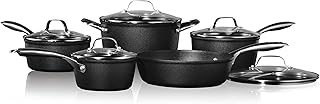
Cuisinart Multiclad Pro Triple Ply Stainless Cookware 12-Piece Set
CACuisinart
Premium
Step 4: Choose Your Core Categories Wisely
Most registry guides tell you to cover every conceivable category. You don't need to — three or four focused areas outperform a bloated list every time.
Build around what you'll actually use in the next year or two. Kitchen & Dining, Home Essentials (linens, small appliances), and Entertaining cover the everyday needs of most couples. Add a Honeymoon Fund or First Home Fund if those goals resonate with you.
Skip 'baby items' unless you're actively planning for children right after the wedding. A curated registry makes it easier for guests to choose confidently — and easier for you to love what you receive. For a full room-by-room breakdown, see the Complete Wedding Registry Checklist Canada.


Step 5: Do a Thorough Inventory Audit
Before adding a single item, take honest stock of what you already own. Don't glance in the cupboards — do a real inventory together. Threadbare towels? A toaster older than your relationship? Both worth registering for. Solid pots and pans you love? Skip the duplicate.
This audit prevents gifting overlap and keeps your registry focused on genuine needs. Pay extra attention to items that wear out over time: bedding, towels, and small appliances are always worth upgrading, even if your current versions technically still work.
An honest audit is the single best way to make sure everything on your registry actually gets used.


Step 6: Embrace Experience and Fund Items
Cash funds and experience registries are no longer a novelty — they're a staple for Canadian couples who'd rather invest in memories than accumulate more stuff. The key is specificity.
Instead of a generic 'Honeymoon Fund,' try 'First Night in Banff' or 'Scuba Diving in Turks & Caicos.' Swap 'Date Night Fund' for 'Romantic Dinner at Our Favourite Restaurant.' Frame a home savings contribution as 'Helping Us Build Our Nest.' Each entry tells guests exactly where their money goes — and makes giving feel personal.
GetJoyBox lets you create custom fund categories tied to real goals, so guests contribute to something tangible rather than a generic bucket. For more on asking gracefully, see Cash Wedding Registry in Canada.
Step 7: Verify Canadian Availability First
Many popular US registry recommendations are hard to find in Canada or cost significantly more once shipping and import duties apply. A blender rated highly on an American blog might be unavailable on Amazon.ca — or jump from $89 USD to $140 CAD when imported.
Always confirm items are purchasable on Canadian sites: Amazon.ca, Indigo, The Bay, Well.ca, or Snuggle Bugz. GetJoyBox's universal wishlist lets you add any product directly from a Canadian retailer URL, giving guests a seamless, duty-free shopping experience.
For a deeper look at which platforms work best for Canadian couples, see Best Wedding Registry Sites in Canada (2026).
Step 9: Post-Wedding Wrap-Up — Thank-Yous and Returns
The wedding is over, but your registry isn't quite done. Send personalised thank-you notes within three months of the wedding — one per gift, not one per household.
Check your registry for unclaimed items; some platforms offer a post-wedding completion discount so you can purchase remaining pieces at a reduced price. If you receive duplicates, locate the gift receipts early and familiarise yourself with each retailer's return window. The Bay, Amazon.ca, and most Canadian retailers post their policies online.
GetJoyBox tracks who gifted what, making thank-you note writing far less daunting. For cash fund contributions, mention in your note exactly how you plan to use it — guests genuinely appreciate knowing their gift shaped a real moment.
The Canadian Winter Gear Exception
There's one category most registry guides overlook entirely: winter gear. If you're marrying in the colder months or live somewhere with harsh winters — Winnipeg in February, anyone? — functional cold-weather items belong on your list.
Think insulated, waterproof boots from Sorel or Blundstone, a high-quality down comforter, thermal layers, or wool socks. A sturdy pair of insulated gloves from MEC can be more valuable day-to-day than a decorative serving platter. Items like these get used for years and genuinely improve quality of life.
For more seasonal inspiration, see Fall and Winter Wedding Registry Ideas for Canadian Couples. Start your registry on GetJoyBox and add winter essentials alongside everything else — all in one place.


Frequently Asked Questions
How many items should I put on my wedding registry in Canada?▾
What is the 20/60/20 rule for wedding registries?▾
Which product categories are most essential for a Canadian wedding registry?▾
How do I ensure items on my registry are available in Canada?▾
What's the best way to share my wedding registry with guests?▾
How should I frame experience funds on my registry?▾
Keep reading


Create Your Wedding Registry on GetJoyBox
GetJoyBox lets Canadian couples build one registry from any store. Share a single link — no store limits, no fees. Free forever.
Start Your Wedding RegistryHave an idea? See what's new?
GetJoyBox is a passion project that grows with your feedback. Leave a feature idea or check the latest updates.