
Many top-selling baby sleep products on Amazon.ca are actively flagged by Health Canada for safety concerns — so before you add anything to your registry, you need to know which products to skip and which ones genuinely help. This guide covers Health Canada's safe sleep rules, the products to avoid, and the best Canadian-market options for sleep surfaces, swaddles, white noise, and sleep sacks — with real CAD prices and named retailers.
Health Canada's Cornerstones of Safe Sleep
Health Canada's safe sleep rules are non-negotiable: your baby needs a firm, flat surface — a crib, bassinet, or playpen meeting Canadian safety standards. No soft mattresses, no inclined surfaces, and no loose bedding (bumpers, blankets, quilts, pillows) for the first year. The safest sleep space is a bare one, with your baby dressed for room temperature in a swaddle or sleep sack.
Room-sharing without bed-sharing is recommended for at least the first six months, ideally up to a year. Your baby sleeps on their own firm, flat surface within your bedroom — close enough for feeds, separate enough to be safe. The Canadian Paediatric Society's safe sleep resource has the full breakdown.
Before you add a single product to your registry, run it against three criteria: firm, flat, and bare. You can start your registry on GetJoyBox and filter for safety-compliant options from the start.


Getting ready for baby? Build your free Canadian registry in minutes — add items from any store. Create your free baby registry →
Products to Avoid: Health Canada's Warnings
Health Canada has issued advisories and recalls for inclined sleepers, the DockATot, Boppy lounger, and similar "nesting" products. These create soft, contoured, or angled surfaces that can restrict your baby's airway — especially if their chin tucks toward their chest or they shift during sleep. Being marketed for reflux or soothing doesn't make them safe for unsupervised sleep.
The rule is simple: anything that isn't a certified crib, bassinet, or playpen — and creates a soft, enclosed, or inclined sleep space — is a red flag. Many of these products are designed only for supervised awake time, and that distinction can be life-saving. Search any product on the Health Canada recall database before it goes on your registry, especially if you're buying second-hand.
For more on registry pitfalls, the 11 baby registry mistakes Canadians make guide is worth reading before you start adding items.
Safe Sleep Surfaces: Investing in Peace of Mind
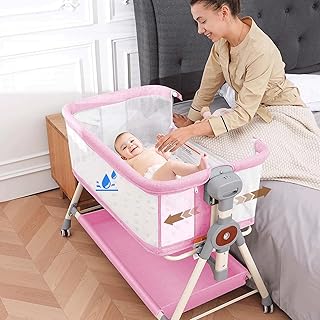
Your choice of sleep surface doesn't need to be expensive to be safe — it needs to meet Health Canada's standards. The Graco Pack 'n Play is a practical, portable option with a firm mattress and secure enclosure; it runs $180–$280 CAD at Snuggle Bugz or Amazon.ca. If bedside feeding is a priority, the HALO BassiNest ($380–$520 CAD) swivels over your bed so you can lift your baby without sitting up fully — genuinely useful at 3 a.m.
At the premium end, the SNOO Smart Sleeper uses responsive rocking and white noise to calm fussy babies, but at $1,800+ CAD it's a significant investment. It's available to rent in Canada if you'd rather not commit. Be clear on what the price buys: sophisticated convenience, not inherently better safety. A Graco Pack 'n Play that meets regulations is just as safe.
Add your primary sleep surface to your registry first — it's the single most important item on the list.
| Product | Price (CAD) | Best for |
|---|---|---|
| Graco Pack 'n Play | $180–$280 | Portable, budget-friendly |
| HALO BassiNest | $380–$520 | Bedside feeding, newborns |
| SNOO Smart Sleeper | $1,800+ (or rent) | Tech-forward, fussy babies |

Graco Pack n Play On the Go Playard with Bassinet
Graco
Mid-rangeSwaddles That Work — and How to Transition Out
Swaddling mimics the womb, dampens the startle reflex, and helps newborns settle faster. Safe swaddling means your baby's hips have room to move freely — tight wrapping risks hip dysplasia.
The HALO SleepSack Swaddle lets you swaddle arms in or out, then converts to a standalone sleep sack when rolling starts — usually at 4–6 months. The Love to Dream Swaddle Up keeps hands near the face in a natural "arms up" position many babies prefer, with a zip-off arm transition path built in. Both retail for $45–$65 CAD at Amazon.ca or Snuggle Bugz.
When it's time to wean off the swaddle, unzip one arm for a few nights, then both — gradual is easier for everyone. Add one transitional swaddle in a newborn and a 3–6 month size; the built-in transition saves you a separate sleep sack purchase. For guidance on balancing must-haves with nice-to-haves, see the baby registry etiquette guide.

aden + anais Classic Muslin Swaddle Blankets 4-Pack (47"x47")
CAaden + anais
Budget pick
White Noise Machines: From High-Tech to Basic
Consistent sound masks the household noises — a closing door, a sibling, a delivery ping — that jolt babies awake mid-cycle. Two options stand out for Canadian parents.
The Hatch Rest ($125–$155 CAD) combines sound machine, nightlight, and toddler clock in one app-controlled device — useful well past the newborn stage. The Yogasleep Dohm ($55–$85 CAD) uses a real internal fan for rich, natural white noise rather than a digital loop; simpler and durable. Both are available at Well.ca and Amazon.ca.
Before spending anything, try a free white noise app on your phone — many Canadian parents stick with it long-term. Keep any sound source at a safe distance from the crib, never inside it, and at a soft hum. If you want a dedicated machine, the Dohm is the reliable workhorse; the Hatch is worth the extra spend if you want it to grow with your child.

Yogasleep Dohm Classic White Noise Machine
Yogasleep
Mid-rangeSleep Sacks for Every Canadian Season: TOG Ratings Explained
Once your baby shows signs of rolling, swap the swaddle for a sleep sack — it's the safest way to keep them warm without loose bedding. The TOG (Thermal Overall Grade) rating tells you exactly how warm a sleep sack is, and for Canada's climate it matters more than branding.
Brands like HALO SleepSack, Burt's Bees Baby, and Aden + Anais offer multiple TOG options at Well.ca, Indigo, and Amazon.ca. Always go by weight guidelines on the packaging — a sleep sack that's too large can ride up over your baby's face.
Add a 1.0 TOG and a 2.5 TOG in a 6–18 month size to your registry. You'll use both within the first year depending on the season.
| TOG | Room temp | When to use |
|---|---|---|
| 0.5 TOG | 24°C + | Summer or very warm rooms |
| 1.0 TOG | 20–23°C | Most of the year |
| 2.5 TOG | Below 20°C | Canadian winter / cool rooms |

Night Feeds and Sleep Associations: Beyond the Products
Keep night feeds as close to sleep as possible: dim lighting only (a Hatch on its lowest setting or a low-wattage nightlight), soft voice, minimal eye contact, no playtime. Bright overhead lights signal wake-time to both your brain and your baby's. If you're bottle feeding, pre-prep everything at a dedicated station — less fumbling means faster resettling.
The bigger lever is a consistent bedtime routine. It doesn't need to be elaborate: a warm bath, a short massage, a quiet book, then into the crib drowsy but awake. Over time, that sequence becomes the cue to wind down — a skill that lasts years and costs nothing. The products in this guide support the routine; they don't replace it.
Write out a three-step routine you can realistically do every night, even on hard days. Two to three weeks of consistency is what makes it stick.

The Canadian Difference: Weather, Retailers, and Regulations
Most widely shared baby sleep content is written for the US market, and the gaps matter. Canada's climate makes a 2.5 TOG sleep sack essential gear for much of the year — US guides default to lighter options that aren't warm enough for a Canadian winter bedroom. Retailers like Snuggle Bugz and West Coast Kids carry curated selections with staff who know the products and are accountable to Canadian consumer protection standards.
Health Canada sets its own safety requirements for baby products — sometimes stricter than US equivalents — so always verify against the Health Canada recall database before buying second-hand or from unfamiliar brands. Factor in CAD pricing from the start: a $50 USD item routinely lands at $70+ CAD once exchange rates, duties, and cross-border shipping are added. Buying from Canadian retailers removes that uncertainty.
The Complete Baby Registry Checklist for Canadian Parents is a useful companion if you're building out the rest of your registry alongside sleep products.
Room Temperature: The Unsung Hero of Baby Sleep
Health Canada recommends keeping your baby's sleep environment between 20°C and 22°C (68°F–72°F). This range minimizes overheating — a significant SIDS risk factor — while keeping your baby comfortable. Many Canadian homes run warmer than this in winter, which tempts parents toward loose blankets. Don't: adjust the TOG instead.
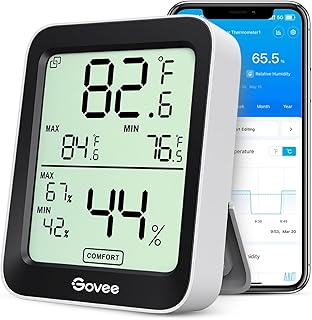
A useful rule of thumb: dress your baby in one more layer than you're comfortable wearing in the same room. A reliable room thermometer placed near the sleep area makes this easy — check it before every bedtime. The Govee Smart Thermometer or a basic AcuRite model both run $20–$30 CAD on Amazon.ca.
Stable temperature, the right TOG, and a consistent routine work together. Add a room thermometer to your registry — it's a small investment that earns its place immediately.
Frequently Asked Questions
What does Health Canada say about inclined sleepers for babies?▾
Are DockATots and Boppy Loungers safe for baby sleep in Canada?▾
What is the best TOG rating for a baby sleep sack in a Canadian home?▾
How do I transition my baby from a swaddle to a sleep sack?▾
aden + anais Classic Muslin Swaddle Blankets 4-Pack (47"x47")
CAaden + anais
Budget pickIs white noise truly beneficial for baby sleep?▾
What room temperature does Health Canada recommend for a baby's sleep space?▾
Are there Canadian-specific considerations for buying baby sleep products?▾
Keep reading




Build Your Baby Registry on GetJoyBox
Canadian families trust GetJoyBox for baby registries that work with any store — Amazon.ca, Snuggle Bugz, Well.ca, or anywhere you shop. Free to create, free to share.
Start Your Baby RegistryHave an idea? See what's new?
GetJoyBox is a passion project that grows with your feedback. Leave a feature idea or check the latest updates.