
A winter baby in Canada needs gear that most generic registry guides completely miss. Bulky coats in car seats, forced-air heating that wrecks delicate skin, and -30°C windchills all demand specific solutions — here's exactly what to register for, with Canadian products, prices, and safety rules included.
The Car Seat + Winter Coat Problem: What Transport Canada Says
The single most important safety rule for Canadian winter parents: never put your baby in a car seat while wearing a bulky winter coat. That thick padding creates a gap between the harness and your baby's body — in a collision, the harness won't restrain them properly. Transport Canada is explicit on this hazard, and it catches well-meaning parents off guard every season.
The fix is layered thin clothing under the harness, plus a cover or bunting bag designed to sit *over* the buckled straps — never under them. This keeps your baby warm through a -20°C Calgary commute while the harness stays snug and effective. That gear belongs on your registry before anything else.
For a deeper look at car seat rules and registry planning, see our Car Seat Registry Guide: What to Register For and Transport Canada Rules. Transport Canada's official guidance is at tc.canada.ca.

Getting ready for baby? Build your free Canadian registry in minutes — add items from any store. Create your free baby registry →
Car Seat Bunting Bags: Safe vs. Unsafe
Two types exist — and only one is safe. Bunting bags with a solid back that slot *under* the harness must never be used; they prevent the straps from restraining your baby. Safe options have a harness opening or flip-back flap so the straps go directly against your baby's clothing.
JJ Cole and Skip Hop both make car seat-compatible bags explicitly labelled 'car seat safe' — look for clear photos of the harness opening before you buy. For brutally cold days, layer a merino base underneath and drape a warm blanket *over* the installed car seat once everyone is buckled in. Always do a test run at home to confirm the harness stays snug.
Avoid the common pitfalls covered in 11 Baby Registry Mistakes Canadians Make (And How to Avoid Them). Transport Canada's child car seat safety page has additional fitting guidance at tc.canada.ca.

Stroller Weather Shields and Foot Muffs
Many Canadian parents stroller through winter — short walks, errands, sanity breaks. A universal weather shield (acrylic or plastic, with ventilation to prevent fogging) blocks wind, rain, and snow while keeping baby visible. Bugaboo, UPPAbaby, and budget options on Amazon.ca all work; confirm compatibility with your stroller model first.
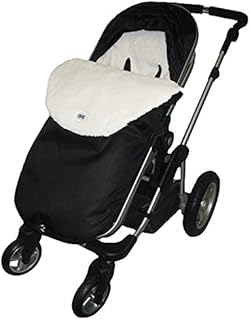
For the coldest months, a foot muff is non-negotiable — it's essentially a sleeping bag for the stroller seat. Prairie and northern parents should look for serious insulation with water resistance: 7 A.M. Enfant's Pookie Poncho (which doubles over car seats), Thinsulate-lined muffs, or faux-fur options all perform well. Check whether your stroller includes a compatible muff or if you'll need to register separately.
For more on building a focused, practical registry, see Baby Registry Etiquette in Canada: What's Normal, What's Not, and What to Do.
| Item | Best for | Price range (CAD) |
|---|---|---|
| Weather shield (universal) | Wind, rain, snow protection | $30–$80 |
| Foot muff – fleece-lined | Mild winters, BC Lower Mainland | $60–$120 |
| Foot muff – Thinsulate/down | Prairies, Ontario, -20°C+ | $100–$200 |
| 7 A.M. Enfant Pookie Poncho | Dual car seat + stroller use | $130–$160 |
Layering Smart: Why Merino Wool Wins
Skip the bulky fleece piles. Merino wool is the Canadian winter baby secret: naturally temperature-regulating, soft against newborn skin, moisture-wicking, and naturally odour-resistant. A merino onesie as a base layer — topped with merino leggings and a long-sleeved top on colder days — gives serious warmth without the bulk that fights car seat harnesses.
For outdoor time away from the car seat, a lightweight packable down bunting suit over merino is ideal. You get real insulation without restricting movement, and you can peel layers as baby moves between the cold outside and a heated indoor space. BC parents will prioritise water resistance over maximum insulation; Prairie and Ontario parents will stack more layers. Merino gives you the flexibility to adjust without adding bulk.
For a full breakdown of what to add (and skip) at each stage, see our Complete Baby Registry Checklist for Canadian Parents — 2026.


Home Heating and Humidity: Protecting Baby's Skin
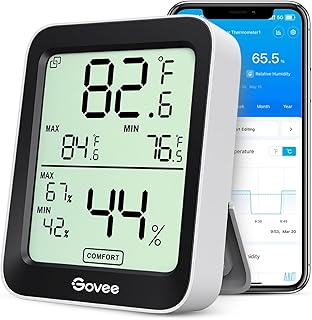
Canadian forced-air heating is harsh on newborn skin. Heated indoor air regularly drops below 30% relative humidity in winter — chapped cheeks, irritated nasal passages, and general discomfort follow quickly. A cool-mist humidifier in the nursery moves from 'nice to have' to essential within the first week.
Target 40–60% humidity. A $10–$15 hygrometer takes the guesswork out entirely. Crane, Vicks, and Levoit all make reliable, affordable cool-mist units — cool-mist is safer than warm-mist if a curious toddler gets close. Clean the humidifier weekly and use distilled or demineralized water to prevent mineral buildup and bacterial growth. This single appliance makes a measurable difference in your baby's comfort through those long, dry Canadian winters.
Health Canada's safe-sleep guidance — including room temperature recommendations — is at canada.ca.

How Cold Is Too Cold? Outdoor Limits for Babies
The Canadian Paediatric Society advises keeping newborns under three months away from temperatures below -15°C including windchill. That's a guideline, not an absolute, but it's the right starting point. For Manitoba and Saskatchewan families, it means much of January and February is spent indoors.
When temperatures allow a short outing, dress baby in full layers with head, hands, and feet covered. In deep cold, a baby carrier worn against your body under an unzipped coat is warmer and safer than any stroller setup — your body heat does the work. If baby shows pale skin, lethargy, or laboured breathing outdoors, bring them inside immediately and warm gradually. In those first months, short and cautious is smart parenting, not overprotective.
The CPS cold-weather guidance is available at cps.ca.
What to Skip if Your Baby Arrives September–February
A winter arrival means some items genuinely don't belong on your initial registry. Sun shades, swim diapers, baby swimsuits, beach umbrellas, and lightweight muslin swaddles won't see use until April or May at the earliest. Leaving them off keeps your registry lean and practical — you can add spring and summer gear as the seasons shift.
Even basic sun care can wait. A hat and a stroller cover with basic UV protection covers any reflected winter sun until temperatures warm up. Prioritise what you'll actually use in the first four months: warm sleepwear, car-seat-safe outerwear, stroller cold-weather accessories, and nursery comfort items. Everything else can wait.
For a full prioritised list, see our Minimalist Baby Registry: 43 Items That Actually Get Used.
The Canadian Difference: Gear by Region
Canada's winters aren't one thing — your province shapes exactly what you need. Alberta and Manitoba parents face -40°C windchills; down-filled bunting suits, maximum-rated stroller muffs, and heavy insulation aren't overkill — they're baseline. BC's Lower Mainland delivers milder but relentlessly wet winters, where water-resistant and windproof outer layers matter more than extreme insulation. A quality rain cover and a water-repellent bunting bag will serve you better than the heaviest down suit.
Ontario varies dramatically by region — icy and wet in some areas, deeply cold in others. A system that handles both cold and dampness works best: merino underneath, with both an insulated and a water-resistant outer option ready. What works in Toronto will leave a Fort McMurray family underprepared.
Ready to build your list? Start your registry and filter by season.
Prioritise waterproofing
Cold + wet mix
-40°C windchill baseline
Winter-Specific Practicalities New Parents Miss
Coming inside from the cold: your baby can overheat within minutes in a warm house. Make it a habit to unzip or remove outer layers immediately. A quick feel at the back of the neck — warm but not sweaty — tells you all you need to know.
Warm your car for five minutes before loading baby in. Young infants cannot regulate their own body temperature, so you have to stay ahead of it. Visiting a friend? Bring a warm sleep sack rather than relying on ambient heat — house temperatures are unpredictable. A portable thermometer in the diaper bag removes the guesswork in unfamiliar spaces and costs under $20 at most Canadian pharmacies.
See the Second Trimester Baby Registry Checklist: When to Start and What to Add for guidance on timing these purchases.


Diaper Changes in the Cold
Changing a baby in a cold car, garage, or stairwell requires a different approach. A padded, waterproof portable changing pad that fits in your diaper bag is essential — compact enough to carry, sturdy enough for awkward spaces. Organize your bag so wipes, a fresh diaper, and warm replacement layers are all within reach in under ten seconds.
Choose outfits for your diaper bag with easy access — no fiddly snaps or complicated layering systems. Some parents keep a warm sleep sack in the car specifically for post-change warmth; pull it up over baby's legs and torso while you're still sorting buckles and straps. The goal is minimising the seconds baby spends exposed to cold air. It's an unglamorous registry item, but a quality portable changing pad makes winter diaper changes far less stressful.
For the complete registry picture, see The Complete Canadian Baby Registry Checklist: 70+ Essentials for 2026.


Frequently Asked Questions
Do I need a special stroller for winter?▾
How many snowsuits should I register for?▾
Is a baby carrier a good idea for a winter baby?▾
What kind of blankets are best for a winter baby?▾
How do I keep my baby's head and hands warm?▾
Do I need special sleep sacks for winter?▾
Keep reading



Build Your Registry on GetJoyBox
GetJoyBox is the Canadian gift registry built for the way people actually give. Create yours in minutes — free, no credit card required.
Create Your Free RegistryHave an idea? See what's new?
GetJoyBox is a passion project that grows with your feedback. Leave a feature idea or check the latest updates.