
American registry guides won't warn you about -20°C. In Canada, the gear you choose for winter can be a genuine safety issue — not just a comfort one. Here's what actually belongs on your registry if you're expecting between October and April.
The Car Seat Rule You Must Know
Never put your baby in a car seat wearing a bulky coat or snowsuit. The padding compresses on impact, creating dangerous harness slack. Transport Canada's child car seat guidelines confirm this, and the Canadian Paediatric Society recommends rear-facing until your child outgrows the seat's weight limit (typically 18–22 kg).
The safe alternatives: a bunting bag that attaches *over* the buckled harness, a car seat cover that goes on the outside of the seat, or a thin fleece sleeper under the straps with a blanket laid over top. If you only add one cold-weather item to your registry, make it a proper car seat cover.
The JJ Cole BundleMe (~$60–$80 CAD on Amazon.ca) and the 7AM Enfant Blanket 212 Footmuff are the two most popular options in Canada — both designed to attach over a buckled harness. See our car seat registry guide for full details on choosing and registering a seat.
| Product | Type | Approx. CAD Price | Where to Buy |
|---|---|---|---|
| JJ Cole BundleMe | Over-harness bunting | $60–$80 | Amazon.ca |
| 7AM Enfant Blanket 212 | Over-harness footmuff | $80–$110 | Amazon.ca, Snuggle Bugz |
| Thin fleece sleeper + blanket | DIY layer system | $15–$30 | The Bay, Well.ca |


Getting ready for baby? Build your free Canadian registry in minutes — add items from any store. Create your free baby registry →
Stroller Cold-Weather Gear
Most strollers are built for spring and fall. A Canadian winter demands a few targeted add-ons.
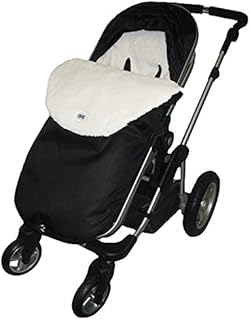
A stroller footmuff or bunting bag is the essential upgrade — it cocoons your baby while keeping the harness fully functional. The Uppababy CozyGanoosh and Bugaboo High-Performance Footmuff are popular Canadian picks; solid aftermarket options exist on Amazon.ca for under $80 CAD.
A stroller weather shield extends usability through rain, sleet, and light snow. Most premium strollers include one — if yours doesn't, add it. It's an affordable, practical gift guests can actually buy. Check out 11 baby registry mistakes Canadians make — skipping low-cost, high-use items like this is one of the most common errors.
For babywearing in winter, a babywearing coat or oversized cover lets you carry your baby inside your jacket. The Lenny Lamb babywearing coat and the Theraline babywearing cover are both well-regarded in Canadian communities and available through Snuggle Bugz.


Layering System for Cold-Weather Outings
A newborn in winter needs a layering system, not one bulky garment. The Canadian approach:
Base layer: thin long-sleeve onesie or footed sleeper in cotton or merino wool. Mid layer: fleece footed sleeper or fleece bunting — worn *under* harness straps in the car, *over* them in a carrier or stroller. Outer layer: a cover or blanket that goes over everything. Never under harness straps.
Merino wool has become the go-to for Canadian baby base layers — it regulates temperature, sits softly on newborn skin, and resists odour between washes. MEC Kids, Icebreaker, and Reima all carry merino options and ship across Canada.
For sleep at home, a TOG-rated sleep sack is non-negotiable. The Woolino 4-Season Merino Wool Sleep Bag (~$130–$150 CAD) is the top premium pick; the HALO SleepSack in TOG 1.5 and 2.5 covers the full range of Canadian home temperatures at a friendlier price, available at Snuggle Bugz and The Bay. For timing advice, the second trimester registry checklist will help you know when to add seasonal gear.


Bath and Skincare for Dry Canadian Winters
Canadian winter air is dry — heated indoor air is drier still. Newborn skin loses moisture fast, making a simple bath-and-moisturize routine genuinely important.
Keep bath water at 37–38°C; a bath thermometer (under $20 CAD at Well.ca) removes the guesswork. A hooded towel wraps and warms a wet baby in one motion, which matters more once you're standing in cold bathroom air.
Apply a fragrance-free moisturizer within three minutes of the bath while skin is still slightly damp. Aveeno Baby Daily Moisture Lotion and CeraVe Baby Moisturizing Lotion are the two most-recommended by Canadian dermatologists for winter dryness — both available at Well.ca and major pharmacies for under $20 CAD.
A cool-mist humidifier in the nursery helps with dry patches, cradle cap, and stuffy noses. Target around 50–60% relative humidity. The Crane Drop Cool-Mist Humidifier is consistently the top seller on Amazon.ca — it runs quietly and the tank refills without waking a sleeping baby.


Home Comfort Through a Canadian Winter
Canadian homes vary widely in how well they hold heat, and nursery temperature matters more than most new parents expect.
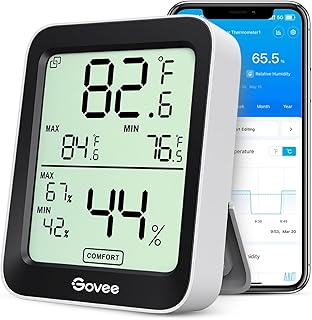
A room thermometer — or a baby monitor with a built-in temperature display — lets you check without opening the nursery door at 2 a.m. The recommended sleeping range for newborns is 18–21°C, which is cooler than most parents assume. Overheating is a recognized SIDS risk factor; the goal is the right sleep layers for a slightly cool room, not a warmer thermostat. Health Canada's safe-sleep guidance covers this in full and is worth bookmarking.
The HALO SleepSack system matches TOG rating to room temperature — their reference chart takes under a minute to use and removes all the guesswork.
If your home has radiator or forced-air heating, add a white noise machine to your registry. The clanking and whooshing of winter heating pulls babies out of light sleep; white noise masks it consistently. At $50–$100, it's a realistic single-guest purchase. Before you finalize your list, start your registry on GetJoyBox so guests can find everything in one place — and share the baby registry etiquette guide so they know what to expect.


Infant Optics DXR-8 PRO Video Baby Monitor with Interchangeable Lens
CAInfant Optics
PremiumFrequently Asked Questions
Can I take my newborn outside in a Canadian winter?▾
What TOG rating sleep sack do I need for Canada?▾
Are there Canadian-specific baby clothing brands worth registering for?▾
Keep reading



Build your winter-ready Canadian baby registry
Add items from Amazon.ca, MEC, Indigo, and anywhere else in one unified registry. Share a single link with your guests. GetJoyBox is built for Canadian families.
Start my registryHave an idea? See what's new?
GetJoyBox is a passion project that grows with your feedback. Leave a feature idea or check the latest updates.