
Newborns don't actually need that much — yet the average registry list tops 100 items. This guide cuts through the noise for parents who want a smaller space, a modest budget, and less chaos. You'll find 40 intentional picks, zero filler, and honest guidance on what to borrow, what to skip, and what Canada-specific factors actually matter.
The Core Four: Non-Negotiables
Every baby needs four things: a safe place to sleep, a way to travel legally, mobility when you're out, and nourishment. Everything else is negotiable.
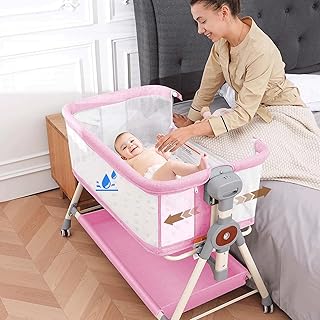
Sleep. A crib, bassinet, or bedside co-sleeper — choose whatever fits your space and routine. Ensure the mattress is firm, fits snugly, and the product meets Health Canada's safe-sleep guidance. Snuggle Bugz carries a well-vetted selection.
Transportation. An infant car seat is Canadian law. Chicco, Britax, and Cybex are reliable brands widely stocked across Canada. Book a free installation check through your local fire department or hospital — a poorly installed seat offers far less protection. Read our Car Seat Registry Guide before you register.
Getting around. A soft stretchy wrap works beautifully in the first months; upgrade to an ergonomic carrier (Ergobaby, Tula) around 4–6 months for better weight distribution. You'll reach for it daily.
Feeding. Breastfeeding parents need a nursing pillow, a few nursing bras, and nipple cream. Formula-feeding families need 4–6 bottles (Dr. Brown's are popular for their anti-colic design), a bottle brush, and enough stock to last 24 hours. Our Baby Feeding Registry Guide covers every scenario in detail.


Getting ready for baby? Build your free Canadian registry in minutes — add items from any store. Create your free baby registry →
Clothing: Buy Less, Buy Right
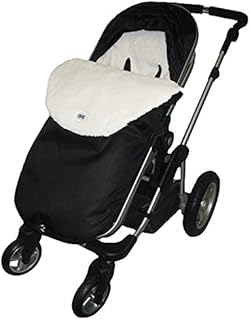
Newborn sizes can last as little as two to three weeks, so resist the urge to stockpile. A practical first-wardrobe looks like this: 5–7 onesies (mix of short- and long-sleeved), 3–5 comfortable pants, 2–3 swaddles, a few pairs of socks or footed sleepers, and one soft hat. For fall or winter babies, add a warm bunting suit — in a Canadian winter it's a necessity, not a luxury.
Zippered sleep sacks deserve a special mention. They eliminate fumbling with snaps during 3 a.m. changes and keep your baby warm without loose blankets in the crib. Worth every dollar.
For laundry, a gentle hypoallergenic detergent — LiveClean and Babyganics are solid Canadian picks — protects sensitive skin without drama. Fewer clothes also means a faster laundry rotation and a closet you can actually navigate.
| Age | Key pieces | Qty |
|---|---|---|
| Newborn (0–4 wks) | Onesies, footed sleepers, swaddles, hat | 5–7 total |
| 0–3 months | Onesies, pants, zip sleep sacks, socks | 5–7 total |
| 3–6 months | Add lightweight cardigan + seasonal layer | 3–4 total |
| Winter baby (any age) | Bunting / snowsuit | 1–2 |


Feeding Beyond the Basics
Once feeding is established, the gear aisle feels infinite. Most of it is optional.
Breastfeeding parents: Many Canadian insurance plans cover breast pump costs — check your policy before you buy. Milk storage bags are handy if you're building a back-to-work stash. Beyond that, nursing pads (disposable for convenience, reusable for sustainability) and a hands-free pumping bra if you pump regularly are all you need.
Formula families: A bottle sterilizer sounds essential but isn't — hot soapy water or your dishwasher works fine for healthy, full-term babies. A bowl of warm water heats a bottle just as well as a dedicated warmer, and takes up zero counter space. Stick with 4–6 bottles to start and expand if needed.
When solids arrive (~6 months): Skip the specialty baby food maker. A blender, food processor, or even a fork handles purées perfectly. A few soft-tipped spoons and silicone bibs with catch pockets are the only extras worth adding — and you won't need them for months.


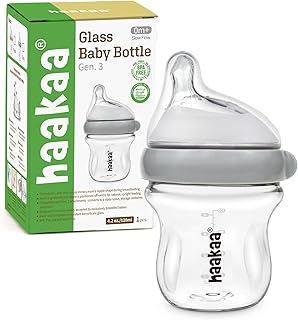
Dr. Brown's Natural Flow Anti-Colic Options+ 8oz Bottles 4-Pack
CADr. Brown's
Budget pickBath Time & Diapering: Keep It Simple
Bathing: A basic baby bathtub with a non-slip surface, two or three soft washcloths, and one gentle hypoallergenic cleanser (Aveeno Baby or Cetaphil Baby) cover everything. One cleanser for hair and body is all you need — no specialty shampoos or creams required.
Diapering: Diapers and wipes are recurring costs, not registry items. For changes, a waterproof changing pad on top of a dresser outperforms a bulky changing table in almost every small Canadian home. Keep diaper cream on hand for rashes, but you won't need it at every change.
Two things worth skipping: a diaper pail system (a regular bin with a tight lid, emptied daily, controls odour just as well) and a wipe warmer (babies adapt to room-temperature wipes within seconds). Both gadgets cost money and take up space you'll wish you had back. See our Minimalist Baby Registry: 43 Items That Actually Get Used for more space-saving swaps.


Multi-Use Marvels: Space-Saving All-Stars
The smartest registry move is choosing items that do several jobs at once.
Pack-n-play / playard: Bassinet insert for newborns, safe sleep space on the road, contained play zone once your baby gets mobile, and an occasional changing station. One purchase, four uses.
Quality baby carrier: Hands-free mobility, a soothing tool during fussy phases, and a bonding aid — all in one. Choose a model that spans newborn through toddler and it becomes a multi-year investment rather than a single-stage accessory.
Convertible car seat: Costs more upfront but eliminates a second purchase by adapting from infant to booster. Over two to three years, the math works heavily in your favour.
Convertible furniture: High chairs that convert to boosters, cribs that grow into toddler beds — these cost more but replace multiple single-stage items. Before adding anything to your registry, ask: does this serve one purpose or several? If it's single-use and needed for only a few months, borrow it instead.


Toys & Play: Less Is More
Your newborn's world is sensory exploration, movement, and you — not toys. For the first few months, a play mat with a tummy-time arch provides all the stimulation they need. A couple of soft rattles or crinkle toys round things out. Avoid excessive lights and sounds; overstimulation is real and loudest at 2 a.m.
Around 6 months, add items that build grasping and coordination: stacking cups, soft blocks, a simple ball. Board books belong on every registry — they're chewable, indestructible, and teach early literacy long before your child can read independently.
Try the one in, one out rule: for every new toy that arrives, one leaves via donation or rotation. Your local library also offers rotating book and toy selections, eliminating storage pressure entirely. When guests ask what to bring, tell them books. You'll build a beautiful library, and your child will benefit for years.


Gear Myths, Debunked
The baby industry thrives on making parents feel unprepared. Here's a quick myth-busting checklist.
Wipe warmers: Babies adapt to room temperature in seconds. Skip it.
Bottle sterilizers: Hot water and soap — or your dishwasher — are genuinely sufficient for healthy, full-term babies. Your baby's immune system is tougher than marketing suggests.
Baby food makers: You'll use this for roughly six months of solids. Your blender does the exact same job. Not worth the storage space.
Diaper pail systems: A regular bin with a tight lid, emptied daily, controls odour just as effectively — and doesn't break down after a year of use.
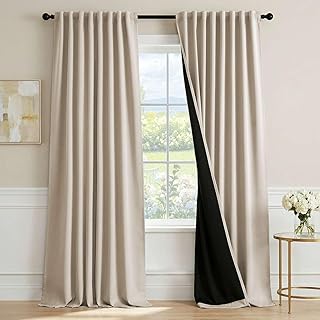
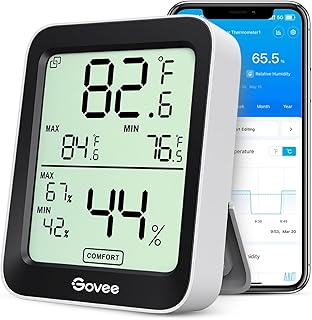
Sound machines, blackout curtains, room thermometers: Nice-to-haves if you genuinely believe they'll help. Not problems you need to solve in advance.
The test for every item is the same: what real problem does this solve, and did that problem exist before someone tried to sell you a solution? Your baby's actual needs are safety, warmth, food, and your presence. Everything else is optional.

Borrowing vs. Buying: A Smart First-Three-Months Strategy
The first months are a period of constant adjustment. Your baby might hate the swing you registered for. The bassinet might feel cramped by week six. Borrowing lets you test-drive gear before committing real money.
For short-use items — infant rockers, swings, bassinets — ask friends with older kids first. Local Facebook groups, Buy Nothing pages, and community toy libraries are goldmines. It's free or nearly free, sustainable, and avoids the regret of a $200 purchase gathering dust.
Safety is the exception. Car seats have unknown accident histories that can compromise structural integrity — always buy new. Cribs should also be new to ensure compliance with current Health Canada standards. Everything else? Borrow first, buy only what you know you'll use. Check the 11 Baby Registry Mistakes Canadians Make for more on avoiding costly impulse adds.
The Canadian Difference
Parenting in Canada means factoring in climate, safety standards, and retail access that parents in other countries simply don't face.
Safety certifications: Every car seat, crib, and playard must carry the Health Canada certification mark. Don't assume international products meet Canadian standards. Retailers like Amazon.ca, Snuggle Bugz, Well.ca, and The Bay vet their inventory for compliance — shopping there saves you the guesswork. Transport Canada's child car seat rules are also worth bookmarking.
Winter: A quality bunting suit or snowsuit is non-negotiable for fall and winter babies. Even summer babies need long sleeves for cool mornings. Plan your clothing selections around your baby's birth season — it matters more than almost any other factor.
Returns and access: Choosing items sold at Canadian retailers means easier returns and local support when something goes wrong. If you live in a remote area, factor delivery times and shipping costs into your registry decisions — some items are worth buying locally even at a slight premium.
When you start your registry on GetJoyBox, these Canadian nuances are built into how the platform works.


A Note on Minimalism: It's a Principle, Not a Rule
Minimalism isn't a judgment on how others parent — it's a framework for intentional choices.
Some babies have specific needs: colic that demands specialized soothing gear, reflux requiring an incline sleeper, allergies that make certain bottles non-negotiable. If that's your baby, adjust this list without guilt. Your child's well-being always comes before any principle.
Some parents also prefer having backups, and that's valid too. The core idea is intentionality — choosing things deliberately rather than defaulting to "add everything just in case."
The perfect registry isn't defined by a number. It's defined by whether every item you've chosen has a real purpose in your real life. Be flexible, trust your instincts, and adjust as you go. You don't need anyone's permission to parent the way that works for your family. Our Complete Baby Registry Checklist for Canadian Parents is there when you want a broader reference point.
Frequently Asked Questions
How many onesies do I really need?▾
Is a changing table truly necessary?▾
What about a baby food maker for when solids start?▾
Are there specific Canadian safety certifications I should look for?▾
How do I decide between borrowing and buying?▾
What if my baby has specific needs like reflux or allergies?▾
Keep reading


Build Your Registry on GetJoyBox
GetJoyBox is the Canadian gift registry built for the way people actually give. Create yours in minutes — free, no credit card required.
Create Your Free RegistryHave an idea? See what's new?
GetJoyBox is a passion project that grows with your feedback. Leave a feature idea or check the latest updates.