
A breast pump and a nursing bra — that's where most breastfeeding registries start and stop. But Health Canada recommends exclusive breastfeeding for the first six months and continuing alongside solids up to two years or beyond, meaning you'll use this gear far longer than you might expect. This guide cuts through the marketing noise and covers every category worth registering for — from navigating provincial pump coverage to the overlooked comfort items that make 3 AM feeds survivable.
Breast Pump Options and Provincial Coverage in Canada
A quality double electric pump runs $150–$400+ CAD at retailers like Well.ca or Amazon.ca — which makes understanding your coverage before you register genuinely worth your time.
Provincial coverage is patchy. In Ontario, many employer-based plans cover pump rentals or purchases outright. Alberta and BC rarely offer direct provincial funding, but employer benefit plans often do. Call your insurer early and ask specifically about hospital-grade rentals versus personal-use pumps. Also confirm whether you need a prescription from your doctor or a registered lactation consultant to trigger the benefit.
When choosing a pump, think honestly about your scenario. Hospital-grade double electrics are the gold standard for establishing supply. Personal-use double electrics — the Spectra S1 and Medela Pump In Style are the most popular among Canadian parents — are nearly as effective and far more portable, making them ideal for working parents. Single electric and manual pumps work for occasional use but are inefficient as your primary pump. For a full picture of how pumping fits your feeding plan, the Baby Feeding Registry Guide for Canadian parents covers bottles and formula alongside pump strategy.
Your move: Check your benefits portal or call your insurer before your registry goes live. Ask about hospital-grade rentals, personal pumps, and whether a prescription is required.
| Type | Best for | Approx. CAD price |
|---|---|---|
| Hospital-grade rental | Establishing supply, exclusive pumping | $50–$80/month to rent |
| Personal double electric (e.g. Spectra S1) | Working parents, regular pumping | $200–$400 |
| Single electric | Occasional backup | $80–$150 |
| Manual | Travel, quick relief | $30–$60 |


Getting ready for baby? Build your free Canadian registry in minutes — add items from any store. Create your free baby registry →
Nursing Bras: How Many Do You Actually Need?
A good nursing bra becomes one of your most-reached-for postpartum items — and most registries don't include nearly enough of them.
Look for three things: support, one-handed access, and breathable fabric. Soft cotton or bamboo blends won't irritate sensitive postpartum skin, and adjustable straps are non-negotiable as your band size shifts while supply establishes. Clip-down or pull-down cups let you open the bra one-handed while holding your baby — something you'll be deeply grateful for at 3 AM. Kindred Bravely, Bravado Designs, and budget-friendly options at Snuggle Bugz all cover different price points.
Register for at least four to five. One is on your body, one is in the wash, one is drying, and you want a spare. With fewer than three, you'll be wearing a damp bra or hand-washing at midnight. Mix everyday support styles with a softer sleep bra — you'll wear one for eight hours a night, and comfort there matters just as much. Register across a range of styles that accommodate size fluctuation rather than betting on one size.
For guidance on communicating these preferences to guests, Baby Registry Etiquette in Canada covers how to handle specific versus flexible registry items.
Your move: Register for a minimum of four nursing bras — two everyday, one sleep style, one spare. Size up from pre-pregnancy to accommodate engorgement.


Nipple Care Essentials: Lanolin and Alternatives
Sore, cracked nipples are common in the first few weeks — having the right products already on hand means you're not scrambling to order something at 11 PM when you're already uncomfortable.
Pure lanolin creates a protective barrier that soothes and promotes healing without needing to be rinsed before feeds. Medela Purelan and Lansinoh HPA Lanolin are both widely available at Canadian pharmacies and Amazon.ca. If you're sensitive to lanolin or prefer plant-based formulas, Earth Mama Organics Nipple Butter (organic shea and cocoa butter) and Motherlove Nipple Cream are well-reviewed alternatives on Well.ca. The smartest move: register for both — a small tube of lanolin and a lanolin-free balm — so you can find what works without placing an order when you're already miserable.
Pair your nipple care items with nursing pads. Reusable bamboo or cotton pads prevent milk from soaking through bras, protect fabric from lanolin staining, and cost far less over time than disposables. That said, disposable pads are genuinely useful for travel and longer outings. Registering for both gives you flexibility.
Your move: Add Lansinoh HPA and one lanolin-free balm to your registry, plus a pack of reusable nursing pads and a small pack of disposables for backup.

Nursing Pillows: The Boppy and Space-Saving Alternatives
A quality nursing pillow turns a neck-straining, 20-minute feed into something you can sustain multiple times a day for months.
The Boppy's C-shape wraps around your waist and brings baby to breast height, reducing strain on your shoulders and back. It pulls double duty for tummy time and sitting support — a good pick if you have space and like versatility. My Brest Friend takes a different approach: firmer, full wrap-around, clips at the back. Many parents with back issues prefer it because baby stays put without constant repositioning.
If you're in a smaller condo in Vancouver or Toronto, inflatable nursing pillows deflate flat and tuck away easily. Some parents find a firm regular pillow works once positioning clicks, especially for side-lying feeds. The real goal isn't a specific brand — it's elevating baby to breast height so you're not compensating with your posture.
Your move: If you have the space, register for one dedicated nursing pillow. If not, look at inflatable options — and add a lumbar pillow to your couch setup regardless.

Milk Storage: Bags, Containers, and Freezer Organization
If you plan to pump at all — even occasionally — have a storage system ready before baby arrives. Figuring this out in week one on almost no sleep is a situation worth avoiding.
Lansinoh and Kiinde make reliable, widely available storage bags — both well-reviewed by Canadian parents and sold on Amazon.ca and Well.ca. For significant stash-building, reusable silicone bags reduce plastic waste and cost less per use over time. For long-term bulk storage (six months or more), BPA-free containers or glass designed for breast milk stack efficiently in a deep freezer. Most parents use both: bags for daily portability, containers for bulk.
One detail that prevents real frustration: register for freezer-safe labels and a permanent marker. Without dates, you won't know which milk to use first, and tossing hard-pumped milk because you can't tell if it's still good is demoralizing. A small freezer organizer keeps bags from getting buried. If stash-building is the plan, assess your existing freezer space now — a compact chest freezer solves the problem for under $200 CAD.
Your move: Register for a box of storage bags, a set of containers, and freezer labels. Check your freezer space before, not after, baby arrives.

The Haakaa: Passive Milk Collection That Adds Up
If the Haakaa isn't on your radar, it deserves its own registry spot — it's one of those inexpensive items that genuinely punches above its weight.
While you nurse on one side, you attach the Haakaa silicone pump to the other breast. Its gentle suction catches the let-down milk that would otherwise soak into a nursing pad. Over days and weeks, this passive collection builds a meaningful backup stash without adding a single dedicated pumping session. The Canadian Paediatric Society's breastfeeding guidance emphasizes frequent milk removal in early weeks for long-term supply — the Haakaa makes that easier with no extra effort.
It also relieves engorgement without triggering oversupply: gentle expression signals less than aggressive pumping, so you get comfort without compounding the issue. It won't replace a double electric for exclusive pumping, but for any nursing parent building a backup stash or managing comfort, it's invaluable. At around $30–$40 CAD on Amazon.ca, it's also one of the most affordable items on your registry.
Your move: Add the Haakaa Generation 3 (the flange base is worth the upgrade) to your registry. Under $40 — guests are happy to grab a practical, accessible item in that range.
Nursing-Friendly Clothing: Gifts That Keep Giving
Everyone wants to buy the baby something adorable. Redirecting even a few guests toward nursing-friendly clothing for you will make a real difference in your day-to-day comfort.
Nursing tops with built-in access panels or clip-down openings let you feed discreetly without the gymnastics of working around a regular shirt. Nursing dresses offer full-body coverage with hidden access — practical for warmer months. For everyday versatility, stretchy nursing tank tops worn under regular shirts create a layered system that provides coverage during feeds. Kindred Bravely and Milk & Mama design specifically for nursing, but intentionally chosen wrap tops, button-fronts, and side-tie styles from regular retailers work just as well.
These pieces earn their registry spot because they last well beyond the newborn phase — many parents wear them for a year or more. Having a few well-made options means you won't feel anxious or exposed nursing at a café, in a park, or at a family gathering.
Your move: Add two to three nursing tops in your current size (sizing up slightly for postpartum comfort) and at least one nursing-friendly sleep option to your registry.
When to Add Formula Backup to Your Registry
Normalizing formula as a registry item isn't pessimistic — it's one of the most practical decisions you can make before baby arrives.
Breastfeeding doesn't always unfold as planned. Supply challenges, latch difficulties, tongue tie, or simply deciding formula is the right call for your family are all real possibilities. Having supplies at home means you can respond without panic or a late-night pharmacy run. Consider registering for a quality electric bottle sterilizer (Dr. Brown's makes a solid one at most Canadian baby retailers) and a bottle warmer — both handle breast pump parts and bottles equally well, so nothing is wasted. Quality bottles from Dr. Brown's, Philips Avent, or Comotomo work for expressed milk or formula. Burp cloths work regardless of feeding method.
If your breastfeeding journey goes smoothly and the bottle box stays sealed? Save it for baby number two or pass it along. Industry data from Canadian baby retailers consistently shows feeding items rank among the most exchanged shower gifts — which tells you how often plans shift. Build in the flexibility now.
Your move: Add a bottle sterilizer, a bottle warmer, and a starter set of bottles to your registry alongside your breastfeeding gear — a feeding backup plan, not a compromise.

Dr. Brown's Natural Flow Anti-Colic Options+ 4oz Bottles 4-Pack
CADr. Brown's
Budget pick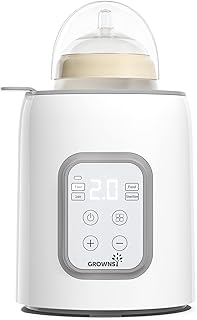

The Canadian Difference: Rental vs. Purchase and Where to Buy
Canada's pump landscape is unique enough that a rental-first approach makes real sense for many families.
Renting a hospital-grade pump through a pharmacy or medical supply store for the first few weeks lets you establish supply with high-performance equipment while you sort out your insurance situation. Once you know what you need — and what your benefits actually cover — you can make an informed purchase instead of guessing before baby arrives. Shoppers Drug Mart locations across Canada handle pump rentals and often have staff experienced in navigating insurance direct billing.
For purchases, Amazon.ca, Well.ca, and manufacturer sites like Medela Canada and Spectra Baby Canada frequently offer bundles that include accessories — bottles, valves, tubing, and storage bags — saving you from sourcing each piece separately. When reading reviews, prioritize feedback from Canadian parents specifically; US reviews won't account for electrical standard differences or local availability of replacement parts. Check return policies and confirm Canadian customer support before committing.
On your registry, list your preferred pump model alongside an Amazon.ca or Well.ca gift card as a flexible alternative. For a full picture of what else belongs on your registry, see the Complete Baby Registry Checklist for Canadian Parents or start your registry on GetJoyBox.
Your move: List your preferred pump and a gift card option. Concrete choice for guests who want one; flexibility for you.
The Overlooked Comfort Items That Actually Matter
The items that make the biggest day-to-day difference often don't read as 'baby gear' — which is exactly why they get skipped on most registries.
Burp cloths are the classic example: you genuinely cannot have too many. Aden + Anais muslin cloths are absorbent, soft, and versatile enough to double as nursing cloths and lap pads. A comfortable feeding chair or glider may be your most significant comfort investment — nursing eight to twelve times a day means upwards of three hours in that seat daily. A quality lumbar pillow can transform a regular couch into a functional nursing spot if a dedicated chair isn't in the budget.
Think beyond baby gear. A nursing-friendly robe that opens fully without being removed makes middle-of-the-night feeds less disruptive. A large insulated water bottle keeps you hydrated during feeds — breastfeeding increases fluid needs noticeably and keeping water within arm's reach makes it effortless. A nursing cover gives you the option of privacy in public if you want it. These items support you, and when you're well-supported, feeding goes better.
Your move: Add a handful of these comfort items explicitly labelled 'for the feeding parent' — guests appreciate a clear path to something meaningful in the $25–$75 CAD range.


Delta Children Emerson Upholstered Glider Swivel Rocker Chair
CADelta Children
PremiumCommon Breastfeeding Registry Mistakes to Avoid
A few patterns come up repeatedly — and all of them are easy to avoid with a little advance thought.
Registering for too few nursing bras tops the list. Two is not enough. With two, you'll be hand-washing at midnight and wearing damp bras during the day. Four to five is the practical minimum. The next common error is ignoring your actual living space — a full-size Boppy is wonderful in a house but genuinely frustrating in a smaller condo. Choose based on your real home, not an idealized one.
Forgetting milk storage until you actually need it is another classic scramble: being three days postpartum with nowhere sterile to store freshly expressed milk is avoidable. Register for bags and containers before your due date. Many parents also register for a pump and overlook the accessories that make it functional: extra valves, replacement tubing, an insulated cooler bag for transporting milk. A pump cooler bag — the Sarah Wells Lizzy or Medela Cooler Set runs $30–$60 CAD — is a specific, practical gift guests can confidently buy.
Finally, resist registering based entirely on what worked for someone else. Your body, your supply, your home, and your feeding goals are yours. The Second Trimester Baby Registry Checklist is a good place to pressure-test your list before it goes live.
Your move: Before finalizing, run this checklist: 4–5 nursing bras ✓ milk storage supplies ✓ pump accessories ✓ cooler bag ✓. These are the gaps most registries leave unfilled.
Frequently Asked Questions
Do I need a hospital-grade breast pump if I'm only planning to breastfeed for a few months?▾
How do I find out what my private insurance covers for breast pumps in Canada?▾
What's the difference between a Boppy pillow and a My Brest Friend pillow?▾
Can I register for gift cards to put towards breastfeeding supplies?▾
Is it worth registering for a manual breast pump?▾
How many nursing bras should I aim to have?▾
Are nipple creams really necessary?▾
Keep reading



Build Your Registry on GetJoyBox
GetJoyBox is the Canadian gift registry built for the way people actually give. Create yours in minutes — free, no credit card required.
Create Your Free RegistryHave an idea? See what's new?
GetJoyBox is a passion project that grows with your feedback. Leave a feature idea or check the latest updates.