
Your feeding registry doesn't need to be perfect — it needs to be flexible. Health Canada recommends exclusive breastfeeding for the first six months, then continuing alongside solids up to two years or beyond, but real life rarely follows a script. Most Canadian families end up with a hybrid approach, so build a registry that works no matter how your journey unfolds.
Bottles: Start Small, Test First
Even if you plan to breastfeed exclusively, register for bottles. Your partner may want to take a feed, you'll eventually return to work, or you'll simply need a break — all good reasons to have a bottle ready for expressed milk. The catch: babies are notoriously picky about nipple shapes, and stocking up on 40 bottles of one brand before you know your baby's preference is one of the costliest registry mistakes you can make.
Register for one or two sample sets from two different brands instead. Dr. Brown's Natural Flow Anti-Colic, Philips Avent Natural, and Comotomo are all widely available at Amazon.ca, Snuggle Bugz, and buybuy BABY. Testing a few shapes early means you identify what works without a cupboard full of rejects.
For flow rate, newborns need slow-flow nipples — look for "preemie" or "Stage 1" on the packaging. You'll graduate to faster flows naturally over the coming months.
Your move: Register for four to six slow-flow bottles split across two brands. Buy more of whichever wins once your baby weighs in — usually within the first two weeks. For a broader look at what to include, see the Complete Baby Registry Checklist for Canadian Parents — 2026.

Dr. Brown's Natural Flow Anti-Colic Options+ 4oz Bottles 4-Pack
CADr. Brown's
Budget pick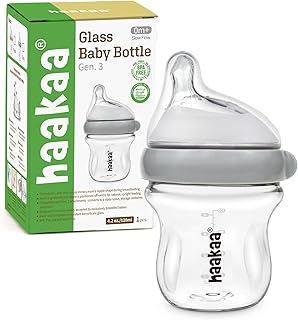
Dr. Brown's Natural Flow Anti-Colic Options+ 8oz Bottles 4-Pack
CADr. Brown's
Budget pick
Getting ready for baby? Build your free Canadian registry in minutes — add items from any store. Create your free baby registry →
Formula Prep: Pitcher Method vs. Electric Maker
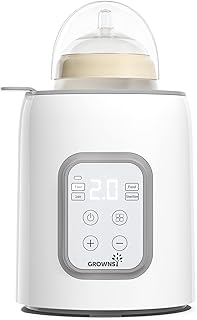
Whether formula is your primary plan or a backup, a solid prep system makes 3 a.m. feeds survivable. The pitcher method is the budget-friendly workhorse: mix a larger batch following Health Canada's water-to-powder ratios, store it in the fridge, and pour individual bottles as needed. A BPA-free pitcher with an airtight lid — OXO and Tupperware are reliable picks at most Canadian kitchen stores — is all you need.
The Baby Brezza ($150–$200 CAD at Amazon.ca or Snuggle Bugz) sits at the other end of the spectrum: perfectly mixed, temperature-correct formula at the push of a button. The trade-off is thorough daily cleaning and formula-brand compatibility — check yours before registering. If formula is your primary feeding method, the convenience pays for itself. If you're supplementing occasionally, the pitcher wins on simplicity.
Your move: Register for pitcher supplies if you want budget-friendly simplicity, or the Baby Brezza if speed is worth the premium. See 11 Baby Registry Mistakes Canadians Make (And How to Avoid Them) before you finalise.
Dr. Brown's Natural Flow Anti-Colic Options+ 4oz Bottles 4-Pack
CADr. Brown's
Budget pick
Formula Brands in Canada: What to Know
Every infant formula sold in Canada must meet Health Canada's strict nutritional and safety standards — the approval number on the packaging confirms compliance. The major brands — Similac, Enfamil, and Nestlé Good Start — are stocked at Shoppers Drug Mart, Jean Coutu, Loblaws, Walmart Canada, and Save-On-Foods. Each offers standard iron-fortified, sensitive-tummy, and specialty formulations.
Before you land on a formula, talk to your pediatrician — especially if there's a family history of allergies, a premature birth, or digestive concerns. Have that conversation before your baby arrives so you're not troubleshooting at 2 a.m. Keep a small backup supply of two or three cans; it takes the pressure off any regional supply hiccup.
Your move: Confirm your chosen brand carries a Health Canada approval number, get your pediatrician's input early, and build a modest stockpile. See Baby Registry Etiquette in Canada: What's Normal, What's Not, and What to Do for how to handle formula on a shared registry.
Sterilising: Dishwasher or Dedicated Steriliser?
For most Canadian households, a dishwasher running a hot cycle (65°C or above) with heated dry does a perfectly adequate job sterilising bottles, nipples, and accessories. Run the hottest cycle available, let everything air-dry completely before storing, and you're covered.
A dedicated steriliser — countertop steam or microwave — adds speed and certainty, especially if you're not running the dishwasher daily. Philips Avent microwave sterilisers are compact and effective, available at Well.ca and Amazon.ca. Many Canadian parents land on a hybrid: dishwasher for daily loads, steriliser after illness or when starting a new feeding stage.
Your move: Register for a dedicated steriliser if your dishwasher doesn't run daily or you want a separate process for peace of mind. Otherwise, a dishwasher basket and a good bottle brush will do the job.

Starting Solids at 6 Months: The Gear You Actually Need
Around six months, your pediatrician will likely give the green light for solid foods. The anchor piece of equipment is a good high chair — look for an adjustable footrest, a removable dishwasher-safe tray, and wipeable padding. Graco, Joovy, and Stokke all make popular options at Snuggle Bugz, The Bay, and Amazon.ca. Stability matters; your baby will squirm enthusiastically.
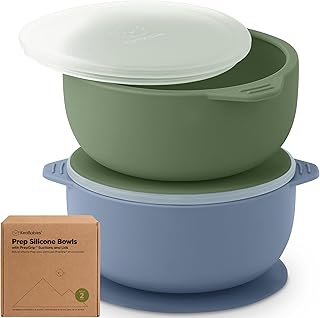
Silicone bibs with a deep crumb-catcher pocket are one of the best things you can register for. They catch falling food, rinse in seconds, and slash laundry. Pair them with soft baby spoons and suction bowls or plates from EZPZ or OXO Tot — suction bases survive the bowl-launching phase that is absolutely coming. Small airtight freezer containers let you batch-prep purees on the weekend and pull portions all week.
Your move: Prioritise the high chair and silicone bib set first, then add suction bowls and baby spoons. Start your registry and tag these as high-priority items so guests know what you need most.
| Item | Top Canadian Pick | Where to Buy | Approx. CAD |
|---|---|---|---|
| High chair | Graco Slim Snacker / Stokke Tripp Trapp | Snuggle Bugz, The Bay, Amazon.ca | $80–$360 |
| Silicone bib (2-pack) | EZPZ Mini Mat Bib | Well.ca, Amazon.ca | $25–$35 |
| Suction bowl/plate | OXO Tot Stick & Stay | Amazon.ca, Indigo | $15–$25 |
| Baby spoons (4-pack) | Munchkin Soft-Tip | Walmart Canada, Amazon.ca | $8–$12 |
| Freezer containers | OXO Tot Baby Blocks | Amazon.ca, The Bay | $20–$30 |


Purees vs. Baby-Led Weaning: Gear for Either Approach
Two main approaches dominate Canadian solid-food conversations: traditional purees and baby-led weaning (BLW). Many families blend both — and your registry can handle either.
For purees, a powerful immersion blender is a space-saving favourite for small batches and keeps working for soups and smoothies long after the puree phase ends. Dedicated baby food makers from Beaba or Cuisinart steam and blend in one unit — available at Amazon.ca and Snuggle Bugz — but if you already own a Vitamix or Breville, you likely don't need one. BLW, where babies self-feed soft finger-sized pieces, requires surprisingly little extra gear. The high chair, silicone bibs, suction bowls, and utensils you're already registering for cover most of it.
Follow Health Canada's guidance on safe food preparation, cooking temperatures, and allergen introduction regardless of which approach you choose.
Your move: Register for a versatile blender or baby food maker if purees are in your plan. For BLW, lean on the high chair and suction bowl setup — the gear overlap is significant either way.

Introducing Water at 6 Months: Cup Options Worth Registering For
Health Canada recommends introducing small sips of water around six months, once solid foods begin. Starting with an open cup or a 360-style cup encourages proper tongue placement and jaw development — some pediatricians prefer this over straw cups for the very first introduction, though straw cups are excellent a few months later for building oral motor skills.
Register for a few small, lightweight cups in silicone or durable plastic. Elk and Friends and OXO Tot make good starter versions at Well.ca and Amazon.ca. Skip juice and sweetened beverages entirely — plain water supports both hydration and early dental health. If you're on Canadian municipal tap water, it's generally safe to use directly; well water users should check with their local health authority first.
Your move: Register for two or three cup styles — an open cup, a 360 cup, and a straw cup for a few months down the road — so you can follow your baby's lead.

What Nobody Tells You About Feeding Registries
Your first choices won't all be your final ones — and that's normal. A bottle your best friend swore by might be flatly rejected by your baby. A high chair that looked perfect online might not fit your kitchen. Build flexibility in from the start: a few diverse, well-chosen items beats a large collection of one thing that may not work.
Think longevity too. A dedicated baby food maker is wonderful for the puree phase, then becomes a drawer occupant once your baby is eating off the family table at 18 months. A quality blender keeps working for your whole household. Durable, easy-to-clean items like silicone bibs and suction bowls hold their value across multiple feeding stages — and multiple kids.
Don't be shy about asking for gift cards to Amazon.ca, Walmart Canada, or Snuggle Bugz. Sometimes the most useful gift is the freedom to buy exactly what you need after your baby has weighed in. For more on keeping your list intentional, see the Minimalist Baby Registry: 43 Items That Actually Get Used.
Your move: Audit your registry for duplicates and single-use items, then add a gift card option for guests who aren't sure what to buy.
Common Feeding Registry Mistakes to Avoid
Registering for a large set of identical bottles before your baby arrives is the most common — and easiest to avoid — feeding registry mistake. Nipple preference is real and non-negotiable for many babies. Cap your pre-arrival bottle count at four to six across two brands, and stock up only after you know what your baby will actually use.
The second pitfall: registering for items that are a nightmare to clean. Elaborate high chair trays with deep grooves, multi-piece bottle valves, and fabric bibs that need laundering all add friction to an already full daily routine. Prioritise dishwasher-safe components, removable parts, and materials that wipe clean in seconds. Run every item through a "will I want to clean this at midnight?" filter before adding it.
Finally, not everything needs to be brand new. Sterilisers, bottle warmers, and some high chair models show up regularly in excellent condition on Facebook Marketplace and at local consignment stores. Focus your registry on items where hygiene is non-negotiable — nipples, sippy cup spouts, anything that touches your baby's mouth — and stay open to second-hand for everything else.
Your move: Review your registry with that midnight-cleaning test. Anything that fails is worth reconsidering. See Second Trimester Baby Registry Checklist: When to Start and What to Add for timing guidance.
Dr. Brown's Natural Flow Anti-Colic Options+ 4oz Bottles 4-Pack
CADr. Brown's
Budget pickThe Canadian Difference: Regulations, Availability, and Support
Canadian parents benefit from a strong regulatory framework. Health Canada rigorously tests and approves every infant formula sold in the country — the approval number on the packaging is your confirmation. Enfamil, Similac, and Good Start are reliably stocked at Shoppers Drug Mart, Jean Coutu, Loblaws, and Walmart Canada coast to coast.
Breastfeeding support in Canada is genuinely strong. La Leche League Canada offers peer support through local chapters in every province, and certified lactation consultants (IBCLCs) practice in most cities. Many hospitals and community health centres run dedicated breastfeeding clinics. If you're planning to pump, call your insurance provider before finalising your registry — many Canadian plans cover breast pumps like the Medela Pump In Style or Spectra S2 partially or in full, which could save you $200–$400 CAD.
For solid food introduction, Health Canada's starting solids guidance covers allergen introduction timelines, safe food preparation, and age-appropriate textures — all tailored to Canadian families.
Your move: Call your insurance provider about breast pump coverage before adding one to your registry. You might not need to register for it at all.


Frequently Asked Questions
I'm planning to breastfeed. Do I really need bottles on my registry?▾
Dr. Brown's Natural Flow Anti-Colic Options+ 4oz Bottles 4-Pack
CADr. Brown's
Budget pickWhat if my baby doesn't like the formula I chose?▾
Dr. Brown's Natural Flow Anti-Colic Options+ 4oz Bottles 4-Pack
CADr. Brown's
Budget pickHow many bottles should I register for?▾
Dr. Brown's Natural Flow Anti-Colic Options+ 4oz Bottles 4-Pack
CADr. Brown's
Budget pickAre electric formula makers worth the cost in Canada?▾
What kind of bibs are best for starting solids?▾
When should I introduce a sippy cup or open cup?▾
Should I register for a breast pump?▾
Keep reading




Build Your Registry on GetJoyBox
GetJoyBox is the Canadian gift registry built for the way people actually give. Create yours in minutes — free, no credit card required.
Create Your Free RegistryHave an idea? See what's new?
GetJoyBox is a passion project that grows with your feedback. Leave a feature idea or check the latest updates.