
The sweet spot for a Canadian baby registry is 60–100 items — enough to give every guest a real choice without overwhelming anyone. Most parents err on the side of too few, which actually stresses guests more than a generous list does. Here's the concrete formula, the price breakdown, and the category checklist to get it right.
The Formula Behind Your Registry Number
The most practical starting point: (Expected Guests × 1.5) + a minimum of 60 items. If you're expecting 30 guests, that's roughly 45 items by the math — but 45 feels sparse once guests start pooling for bigger purchases. The 60-item floor gives everyone genuine choices across price points.
As your guest count grows, scale up: 50 guests → 75+ items; 70 guests → 105+ items. The multiplier isn't about greed — it accounts for the reality that some guests go solo on a $25 gift while others team up for a $250 car seat. More variety means more guests leave feeling like they gave something meaningful.
For a deeper look at how registry structure affects the experience, see Online vs. In-Store Baby Registry: Which Is Better for Canadian Parents?. Health Canada's consumer product safety overview is also worth bookmarking as you research big-ticket items.
Ready to start your registry? GetJoyBox is free for Canadian families. Create your free registry →
Why Too Few Items Hurts More Than Too Many
A sparse registry puts your guests in an uncomfortable spot. When someone who loves you finds only three items left — all over $150 — they either overspend on a big-ticket item they weren't prepared to buy alone, or they go off-registry and pick up something adorable but useless (newborn onesie, anyone?).
Off-registry gifts are rarely what you need. That 0-3M sleeper gets worn for three weeks; the seventh burp cloth from your registry gets used every single day for months. A well-populated registry is genuinely a kindness — it says: *here's what we need, here's a range of prices, pick what feels right for you.* From your college roommate spending $25 to a great-aunt who loves to give big, everyone finds a lane.
For timing guidance on when to start building that list, see When Should You Create a Baby Registry? The Timeline That Makes Sense. Statistics Canada tracks Canadian retail spending patterns if you want to understand how guests actually budget.


aden + anais Classic Muslin Swaddle Blankets 4-Pack (47"x47")
CAaden + anais
Budget pickHow to Spread Items Across Price Points
Quantity alone won't save you if everything costs $200. Aim for this distribution: 20% under $30 / 50% between $30–$100 / 30% over $100.
The under-$30 tier is your registry workhorse — burp cloths, bibs, crib sheets, socks, washcloths, and newborn hats. Brands like Carter's, aden + anais, and Burt's Bees all live here. These items are practical, always useful, and perfect for last-minute or budget-conscious guests.
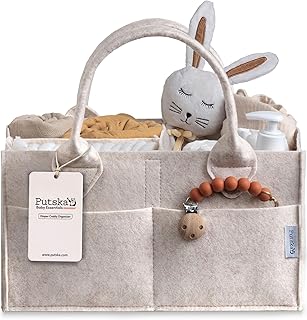
The $30–$100 middle tier is where most guests actually shop. Fill it with a changing pad, diaper pail with refills, sleep sacks (HALO and Woolino are Canadian favourites), a diaper caddy, and feeding essentials. The $100+ tier is for group contributions — convertible cribs, car seats, stroller systems, and high chairs. Having several options here gives contributors clear direction and prevents duplicate smaller gifts.
For a step-by-step walkthrough of building the list itself, see How to Create an Online Gift Registry in Canada (2026 Guide).
| Tier | % of Registry | ~Item Count | Examples |
|---|---|---|---|
| Under $30 | 20% | 15 items | Burp cloths, bibs, socks, crib sheets |
| $30–$100 | 50% | 37 items | Sleep sacks, diaper pail, changing pad, monitor |
| Over $100 | 30% | 23 items | Car seat, crib, stroller, high chair |


The 5 Categories Every Registry Must Cover
No matter your final item count, these five categories are non-negotiable.
Feeding: Register beyond just bottles. Add a nursing pillow, nipple cream, reusable nursing pads, a bottle sterilizer, bottle brush, bottle warmer, and a drying rack. Dr. Brown's and Lansinoh are trusted Canadian staples. Stock up on burp cloths and bibs — you'll go through them constantly.
Diapering: Skip registering for diapers themselves (size and brand preferences are too personal), but load up on accessories: a waterproof changing pad, a quality diaper pail with refills, diaper cream, a caddy organizer, and extra changing pad liners. You'll use these dozens of times a day.
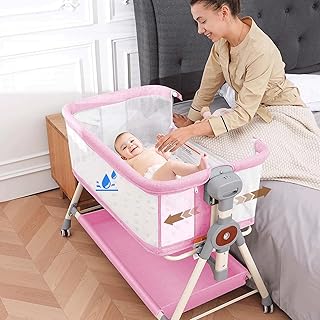
Sleeping: Include a bassinet or crib, 3–4 fitted crib sheets, sleep sacks in multiple TOG weights (for Canadian seasonal swings), a white noise machine, a video baby monitor, and blackout curtains. A room thermometer helps you keep the environment safe — the Canadian Paediatric Society recommends keeping baby's room between 18–20°C.
Clothing: Don't over-register newborn sizes — you'll receive plenty as gifts, and babies outgrow them in weeks. Focus on 3–6 months and 6–12 months: bodysuits, sleepers, socks, and for winter babies, a snowsuit or bunting bag. Carter's is reliable for everyday basics.
Health & Safety: These unglamorous items matter most at 2 a.m. Register for a digital baby thermometer, FridaBaby's SnipperClipper nail set, a nasal aspirator, a bath thermometer, and a baby-specific first-aid kit. They're not exciting gifts, but you will be grateful for every single one.


Leveraging Group Gifts for Big-Ticket Items
Including items priced $200–$500+ isn't greedy — it's practical. A quality convertible car seat, a Stokke Tripp Trapp high chair, a HALO bassinet, or a stroller system are all items one person rarely wants to buy alone, but five people splitting $50–$100 each? That feels achievable and generous.
GetJoyBox makes group gifting seamless: guests see exactly how much has been contributed, add their portion, and feel part of something meaningful. You get something you've actually researched rather than a pile of duplicate gadgets. When you add big-ticket items, make sure they're genuinely essential and well-reviewed — clear direction for guests who want to make a real impact.
For practical tips on coordinating contributions, see How to Organize a Group Gift in Canada (Without Awkward Money Conversations).


When to Trim vs. When to Add More
Your registry should evolve as your shower approaches. Before the shower, audit by category: if you've registered for 15 newborn onesies, cut back to five and add something you've overlooked — baby carriers, for instance. If high-priced items are sitting untouched a week out, add more $30–$100 options to give mid-budget guests somewhere to land.
After the shower, mark duplicates as purchased to stop more arriving. Add anything that slipped through the cracks — extra crib sheets, a second diaper caddy for upstairs, or a baby carrier. Friends and family appreciate the updated clarity, and last-minute additions show you're thinking practically rather than curating a static wishlist.
If you're weighing the right platform for managing these updates, Gift Registry vs. Wishlist: What's the Difference, and When Should You Use Each? breaks it down clearly.


The Canadian Difference: Climate, Retailers & Shipping
Building a registry in Canada means thinking about seasons first. A fall or winter baby needs a quality snowsuit or bunting bag, a winter car seat cover (JJ Cole's is a lifesaver at -20°C), and heavier sleep sacks. For sleep sacks, a standard 1.0 TOG covers mild seasons; Canadian winters call for 2.5 TOG. Woolino's merino wool options adapt to room temperature swings — useful when your furnace cycles between 18°C and 22°C overnight.
Also consider where your guests actually shop. Some prefer Snuggle Bugz or West Coast Kids; others default to Amazon.ca or Well.ca. A universal registry like GetJoyBox lets you pull items from any Canadian retailer into one list, so your mom can order from her favourite local boutique while your friends shop online. That flexibility also means faster shipping and less chance of items arriving damaged or out of stock.
Ready to build yours? Start your registry and use the formula above as your guide.


What Your Registry Size Says About You
A well-populated registry signals that you've done the work — you've compared brands, read reviews, and thought through real daily life with a newborn. That's reassuring to guests, not demanding. It also steers everyone toward coherence: if you've envisioned a specific nursery aesthetic, a thoughtful registry helps guests choose items that fit naturally into that space rather than sending random pieces that clash.
Beyond the social benefits, building your registry is genuinely useful parenting prep. Researching a convertible crib forces you to think about your space in two years. Comparing video monitors teaches you what features actually matter at 3 a.m. The shopping is the preparation.

Infant Optics DXR-8 PRO Video Baby Monitor with Interchangeable Lens
CAInfant Optics
Premium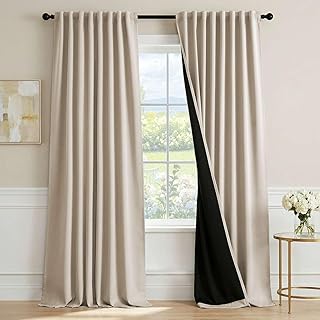
Registry Mistakes That Are Easy to Avoid
Too many newborn clothes. Babies outgrow 0-3M in weeks, and you'll receive a flood of tiny outfits as unsolicited gifts anyway. Shift your clothing registry toward 3–6, 6–12, and 12–18 month sizes — you'll actually use them.
Not enough everyday essentials. It's easy to get excited about the fancy stroller and forget that you'll change 8–10 diapers a day and burn through burp cloths every feeding. Register for multiples without guilt: three sets of crib sheets, five or six burp cloths, several bibs. You'll wish you had more.
Niche gadgets with narrow use cases. A wipe warmer sounds clever; you won't miss it. Twelve pacifier styles is overkill — pick one design and register for a few packs. The Canadian Paediatric Society's safe sleep guidelines are a good filter: if a product conflicts with their recommendations or solves a problem you don't actually have, leave it off the list.


Frequently Asked Questions
What if I don't know my exact guest count yet?▾
Should I include items I plan to buy myself?▾
Can I register for diapers and wipes?▾
What if I'm having twins or multiples?▾
How many clothing sizes should I include?▾
What if my baby shower is online?▾
Keep reading




Build Your Registry on GetJoyBox
GetJoyBox is the Canadian gift registry built for the way people actually give. Create yours in minutes — free, no credit card required.
Create Your Free RegistryHave an idea? See what's new?
GetJoyBox is a passion project that grows with your feedback. Leave a feature idea or check the latest updates.