
You can build an eco-friendly baby registry without sacrificing safety, practicality, or your sanity. Canadian parents have more sustainable options than ever — from GOTS-certified textiles to glass bottles and cloth diapers — and the choices you make on your registry genuinely reduce your baby's chemical exposure and your household waste for years to come. Here's how to do it well.
What 'Eco-Friendly' Actually Means for Baby Gear
Eco-friendly isn't just a marketing claim — it has a paper trail. For textiles, look for the GOTS (Global Organic Textile Standard) label, which certifies organic fibres and responsible manufacturing. For wood products, FSC certification confirms sustainable sourcing. For everything else, OEKO-TEX Standard 100 means the item has been tested against a list of harmful substances.
Manufacturing location matters too. Products made closer to home typically carry a lower carbon footprint, and transparent brands will tell you exactly where their materials come from. When you see those certifications on a label, someone genuinely earned them. Avoid brands that use vague terms like "natural" or "pure" without any third-party backing — that's the clearest sign of greenwashing. (See also: 11 Baby Registry Mistakes Canadians Make (And How to Avoid Them).) (See Health Canada's safe-sleep guidance.)
Getting ready for baby? Build your free Canadian registry in minutes — add items from any store. Create your free baby registry →
Restful Sleep: Organic Mattresses & Natural Fibres
Newborns sleep up to 16 hours a day, so the sleep environment is the single highest-impact place to go organic. Choose a crib mattress made from organic cotton, wool, or natural latex — these materials breathe better, regulate temperature naturally, and keep synthetic chemicals away from your baby's developing body.
For swaddling and sheets, 100% organic cotton or bamboo muslin is the clear winner. aden + anais muslin swaddles are a favourite among Canadian parents: soft, breathable, and genuinely multi-use (burp cloth, nursing cover, stroller blanket). Add a dimmable nightlight like the Hatch Rest+ to support healthy sleep cycles without blue-light disruption. (See also: Baby Registry Etiquette in Canada: What's Normal, What's Not, and What to Do.)

aden + anais Classic Muslin Swaddle Blankets 4-Pack (47"x47")
CAaden + anais
Budget pick

Nourishing Feeds: Glass, Silicone, and Reusables
Feeding generates more plastic waste than most parents expect. Glass baby bottles — like Dr. Brown's Natural Flow Options+, widely stocked across Canada — eliminate BPA and phthalate concerns entirely and last for years. They're heavier than plastic, but a silicone sleeve handles drops without issue.
When solids start around six months, swap single-use squeeze pouches for reusable silicone ones, and use a silicone suction bowl that actually stays on the high chair tray. For nursing parents, reusable cotton nursing pads beat disposables on cost, comfort, and waste — no adhesive, no synthetic fibres against sensitive skin. (See also: Baby Feeding Registry Guide: Bottles, Formula, and Solid Food Essentials.) (See Transport Canada's child car seat rules.)

Dr. Brown's Natural Flow Anti-Colic Options+ 4oz Bottles 4-Pack
CADr. Brown's
Budget pick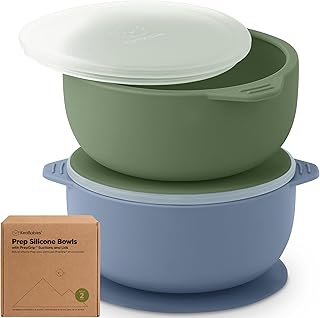

Diapering Decisions: Cloth vs. Sustainable Disposables
Cloth diapering systems — Bum Genius and Lil Helper bamboo diapers are both popular Canadian picks — cost $500–$1,000 upfront but typically pay for themselves by month eight. Use them across two kids and you're saving thousands. The learning curve is real but short; most parents are comfortable within a few weeks. You'll need a sealed diaper pail to manage odour.
Compostable disposables like PureGeneration are genuinely better than conventional diapers, but they cost more per diaper and require a commercial composting facility — still scarce in most Canadian municipalities. Check your city's composting program before committing. Our honest recommendation: start with cloth, supplement with eco-disposables when travelling or during growth spurts, and don't feel guilty if life gets in the way. A stressed parent isn't the eco win anyone intended. (See also: Complete Baby Registry Checklist for Canadian Parents — 2026.)
Amortised across two kids


Dressing Little Ones: Second-Hand First, Organic New
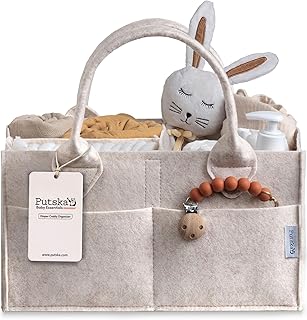
Babies outgrow clothing every 2–3 months — which makes pre-loved the most sustainable choice by default. Before buying anything new, check local consignment shops, Buy Nothing groups, Facebook Marketplace, and Kijiji. Gently used Carter's bodysuits and sleepers are easy to find at a fraction of retail.
When buying new, prioritise organic cotton or linen. Carter's now offers sustainable lines in organic cotton — reliable, affordable, and available at major Canadian retailers. Keep it simple: five onesies, three pairs of pants, a few layers. A tight capsule wardrobe beats a closet full of barely-worn character outfits on every measure — cost, waste, and sanity.


Playtime with Purpose: Natural Wood Over Plastic
For the first few months, babies don't need toys at all. When they're ready, choose sustainably sourced wood: Grimm's Spiel und Holz and PlanToys are two trusted brands that are non-toxic, durable, and designed for open-ended play. A single wooden ring stacker or block set will outlast your child — and likely the next one too.
Many plastic toys contain PVC and phthalates, and virtually all of them end up in landfill where they'll sit for 400+ years. FSC certification on wood products gives you third-party assurance of responsible sourcing. Your baby's playroom doesn't need to be Instagram-worthy — it needs to be safe, engaging, and built to last.
| Factor | Sustainably sourced wood | Standard plastic |
|---|---|---|
| Chemical risk | Low (non-toxic finishes) | PVC / phthalates possible |
| Durability | Years to decades | Months to a few years |
| End of life | Compostable / reusable | Landfill (400+ yrs) |
| Cost | Higher upfront | Lower upfront |
| Certifications | FSC, OEKO-TEX | Varies widely |


Melissa & Doug Standard Unit Solid Wood Building Blocks 60pc
CAMelissa & Doug
Budget pickKeeping It Clean: Fragrance-Free Canadian Brands
Your baby's skin absorbs far more than adult skin does, which makes fragrance-free personal care a non-negotiable rather than a preference. For bath time, Aveeno Baby's fragrance-free wash and lotion are widely available and gentle enough for newborn skin. Skip anything labelled "lightly scented" — that still means synthetic fragrance.
For laundry and surfaces, choose plant-based, biodegradable formulas. Attitude Living, a Canadian brand stocked at most grocery chains and Amazon.ca, offers effective cleaners without harsh chemicals or artificial scents. Your baby doesn't need lavender-scented laundry detergent — they need clean clothes, free from dyes and perfume. Ready to add these picks to your registry? Start your registry on GetJoyBox.


Frequently Asked Questions
Are eco-friendly baby products significantly more expensive?▾
Where can I find these Canadian eco-friendly brands?▾
What certifications should I look for on baby products?▾
Keep reading



Build Your Registry on GetJoyBox
GetJoyBox is the Canadian gift registry built for the way people actually give. Create your registry in minutes—it's free.
Create Your Free RegistryHave an idea? See what's new?
GetJoyBox is a passion project that grows with your feedback. Leave a feature idea or check the latest updates.