
A newborn goes through 8–12 diapers a day, most babies skip the Newborn clothing size, and the average baby shower gift in Canada runs $50–$100. Those three facts alone should reshape your registry — and this checklist does the rest. Every item below earns its place based on Canadian parent feedback, pediatric guidance, and real usage data. We tell you exactly what to add, how much to register for, and where to buy it — from Amazon.ca and Snuggle Bugz to Well.ca, Indigo, and The Bay.
Diapering Essentials
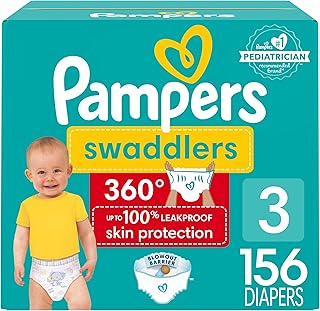
Newborns go through 8–12 diapers a day — over 1,200 in the first four months alone. Start with Size 1 (8–14 lbs) rather than Newborn; babies over 7.5 lbs often skip Newborn entirely. Register for 6–8 packs of Size 1, plus a pack or two each of Size 2 and Size 3.
For wipes, go unscented only — fragrance is the most common diaper-area irritant. Pampers Sensitive and Huggies Natural Care are the most-recommended by Canadian pediatricians. Well.ca regularly runs bundle deals worth bookmarking.
The Ubbi Steel Diaper Pail earns top marks from Canadian parents for one reason: it uses standard garbage bags, not proprietary refill cartridges. That choice saves real money over time.

Getting ready for baby? Build your free Canadian registry in minutes — add items from any store. Create your free baby registry →
Feeding — Nursing & Bottle Feeding
Feeding plans change fast in the first days postpartum. Having the right gear before your due date beats an urgent Amazon.ca order at 3 a.m.
If you plan to breastfeed, a double electric breast pump is the single most important item in this category. Check your extended health benefits first — many Canadian plans cover one. Health Canada recommends exclusive breastfeeding for the first 6 months and continuing alongside solids to 2 years or beyond. A nursing pillow makes marathon sessions far more comfortable; the Boppy and My Brest Friend are both available at Snuggle Bugz.
Even if you plan to breastfeed, register for 4–6 slow-flow bottles — Dr. Brown's Original and Philips Avent Natural are the top picks for reducing colic. You may introduce a bottle for pumped milk earlier than expected. Add both disposable and washable nursing pads; early-weeks leakage is common and having both types gives you flexibility. For a full feeding setup, the Baby Feeding Registry Guide breaks down bottles, formula, and solid-food essentials.


Sleep — Safe and Practical
Health Canada recommends that infants sleep on their back, on a firm flat surface, in their own sleep space — no loose bedding, bumper pads, pillows, or soft toys. Every item here follows those guidelines.
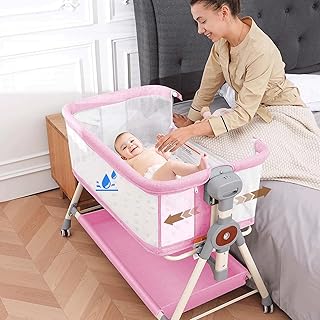
A bassinet or bedside sleeper works best for the first 3–5 months: it keeps your baby close for night feeds without bed-sharing, and the smaller footprint fits in your bedroom. The HALO BassiNest is widely loved and considerably more affordable than the SNOO, which is the premium option with built-in motion and sound.
For the crib, choose a convertible model that transitions to a toddler bed — it adds 3–4 years of useful life. Pair it with a firm, breathable mattress: the Newton Wovenaire is the Canadian gold standard for breathability; the Sealy Soybean Foam-Core is a solid mid-range pick at The Bay.
A white noise machine makes a real difference for settling newborns — the Hatch Rest and LectroFan Classic are the most popular with Canadian parents. Add a video monitor for once your baby moves to a separate room. For timing each purchase, the Second Trimester Registry Checklist maps out exactly when to add sleep gear.
| Item | Top Pick (Canada) | Price Range | Priority |
|---|---|---|---|
| Bassinet | HALO BassiNest | $250–$350 | Add first |
| Convertible crib | Babyletto Hudson / IKEA Sundvik | $300–$600 | Add early |
| Crib mattress | Newton Wovenaire / Sealy Soybean | $180–$350 | Add with crib |
| White noise machine | Hatch Rest / LectroFan Classic | $60–$100 | Add early |
| Video monitor | Infant Optics DXR-8 / Nanit Pro | $120–$350 | Add before move to own room |


Clothing — How Much Do You Actually Need?
New parents almost always over-register for clothing. Babies grow fast — sometimes skipping sizes entirely. Keep quantities tight:
- Newborn: 2–3 sleepers, 2–3 onesies maximum. Many babies skip this size after two weeks. - 0–3 months: 6–8 onesies (mixed sleeve lengths), 4–6 sleepers, 3–4 pants, 2 swaddle sleep sacks. - 3–6 months: similar quantities — buy these in a second session once you see your baby's growth rate.
For Canadian winters, add a fleece bunting suit or a heavyweight sleep sack rated for cold temperatures — the Woolino 4-Season is a perennial favourite. Skip bulky coats under car seat straps; they compromise harness fit. A car seat poncho or blanket over the carrier is the safe alternative.
Prioritize easy-access designs: side-snap onesies for newborns (no pulling over a healing cord stump), zip-front sleepers for 2 a.m. changes, and magnetic-clasp sleepers if your budget allows.


Bathing & Skincare
A stable, warm setup that keeps your baby secure — and leaves both your hands free — is all that matters. The Puj Tub (a soft foam insert for a standard sink) is popular for newborns in Canadian apartments. The 4moms infant tub and the Angelcare bath support are top-rated standalones at Snuggle Bugz and Amazon.ca. Whatever you choose, add a bath thermometer — the safe water temperature range is 37–38°C.
Newborn skin needs very little. A fragrance-free body wash covers most of it — Aveeno Baby and Cetaphil Baby are the most recommended by Canadian dermatologists. Add a moisturizing lotion and a diaper cream: Bepanthen and Penaten are the Canadian classics, both available at Well.ca. Skip anything with fragrance, dye, or alcohol.


Gear — Getting Around
The stroller-and-car-seat category is the highest-spend area of any registry. Start with your car seat — everything else builds around it.
The Canadian Paediatric Society recommends keeping children rear-facing until they outgrow the seat's limits — typically 18–22 kg (40–48 lbs). A seat with a generous rear-facing weight limit pays off long-term. The Graco SnugRide SnugFit 35 and Chicco KeyFit 35 are the two most-purchased infant seats in Canada for ease of install and strong safety ratings. Check Transport Canada's car seat installation guidance before your baby arrives. For a full breakdown, the Car Seat Registry Guide covers Transport Canada rules in detail.
For the stroller, match it to your actual life. City dweller who takes transit? A lightweight compact like the Babyzen YOYO or UPPAbaby MINU is worth the investment. Drive everywhere and want a travel system? The UPPAbaby VISTA or Graco Modes Pramette are among the most popular full-size options in Canada.
A structured carrier — Ergobaby Omni 360 or BABYBJÖRN Mini — keeps your hands free in the first months and tends to be babies' first comfort preference.


Health & Safety
Health and safety items get skipped on registries — until they're needed urgently at midnight. Add them now.
A digital rectal thermometer is the most accurate option for babies under 3 months; the Canadian Paediatric Society recommends it over ear or forehead models for newborns. The Frida NoseFrida nasal aspirator is the top-rated option in Canada — parents who try it don't go back. A soft nail file or clippers and a medicine dropper round out your everyday health kit.
Outlet covers and cabinet latches aren't needed until 6–9 months, but registering now means they'll be gifted before you need them. A baby gate for stairs becomes urgent once your baby starts to move — register for a hardware-mount at the top of stairs (pressure mounts aren't safe enough there).


FridaBaby NailFrida SnipperClipper Set with Safety Storage Case
CAFridaBaby
Budget pickPlay & Development — What Actually Gets Used
Less is more in this category. Focus on the 0–6 month window and resist the pull of gear your baby won't use for months.
A high-contrast black-and-white activity mat supports visual development from week one. The Lovevery Play Gym and Fisher-Price Deluxe Kick & Play Piano Gym are the two most-used options with Canadian parents in the 0–6 month window — both are on Amazon.ca.
A bouncer or swing gives you somewhere to put a content baby while you eat, shower, or just breathe. The 4moms mamaRoo offers varied motion patterns that mimic being held; the Fisher-Price Soothing Motions Bassinet doubles as a sleeper and delivers excellent value. Hold off on exersaucers, jumperoos, and activity centres until your baby can sit with support — 4–6 months minimum. For a full age-by-stage breakdown, the Complete Canadian Baby Registry Checklist covers 70+ essentials.


Frequently Asked Questions
When should I start my baby registry in Canada?▾
How many items should be on a baby registry?▾
Should I register for newborn or 0–3 month clothing sizes?▾
What's the best online registry platform in Canada?▾
Keep reading



Build your baby registry in minutes
GetJoyBox lets you add items from any Canadian retailer — Amazon.ca, Indigo, Buy Buy Baby, and more — in one place. Your guests get a clean, easy-to-use link. You get a registry that works for Canada.
Start my baby registryHave an idea? See what's new?
GetJoyBox is a passion project that grows with your feedback. Leave a feature idea or check the latest updates.