
The average Canadian parent spends $300–$500 on a child's first birthday celebration — and without a plan, that number climbs fast. This is your realistic, season-aware roadmap for pulling off a memorable party without the stress spiral.
Your 8-Week Party Countdown
Lock down two things first: your guest count and a hard budget ceiling. Every other decision — venue, food, activities — flows from those two numbers.
Around eight weeks out, book your venue if you're not hosting at home. Popular community halls and indoor playgrounds fill up fast, especially Saturday morning slots. Start brainstorming themes at the same time. For ages 2–5, simple beats clever — animals, dinosaurs, or a favourite cartoon character are easy to execute and reliably loved. For ages 6–10, lean into themes with a built-in activity: spy missions, science labs, or a video game they're obsessed with.
For developmental guidance on what kids are ready for at each stage, the Canadian Paediatric Society's age-stage milestones are a reliable parent-friendly reference.
Your move: Set your guest count and budget this week. Everything else follows.
Skip the duplicate gifts. A GetJoyBox birthday registry lets guests claim items before buying. Create your birthday wishlist →
Home vs. Rented Venue: Which Makes Sense for You
Hosting at home is the most budget-friendly option and often the most comfortable for toddlers, who settle better in familiar surroundings. A few decorations from Dollarama or Party City transform a living room or backyard — no travel time, no parking stress.
If space is tight or you'd rather skip the cleanup, a rented venue is worth it. Community centres typically run $50–$150 per hour with tables included. Local parks with covered pavilions are often free or a small reservation fee — a summer dream. Dedicated party spaces like indoor play centres or gymnastics studios offer all-inclusive packages ranging from $250–$700 depending on your city.
Your move: Tour two or three options before committing. Photos online rarely capture noise levels or actual square footage — both matter with a room full of excited kids.
| Venue Type | Typical Cost | Best For |
|---|---|---|
| Home / backyard | $0–$50 (décor) | Toddlers, small guest lists |
| Community centre | $50–$150/hr | Mid-size groups, any season |
| Park pavilion | Free–$50 reservation | Summer, outdoor lovers |
| Dedicated party space | $250–$700 package | Older kids, hands-off hosting |
What to Budget by Age (Canadian Prices)
Knowing realistic numbers keeps you from overshooting — or feeling guilty for spending less than a Pinterest party implies you should.
Research suggests children aged 3–5 spend 4–6 hours a day in play, which means quality toys with longevity deliver far more value than cheaper trend-driven gifts. Worth keeping in mind when guests ask what to bring. Before building any gift list, Health Canada's toy safety guidance is a quick, worthwhile read.
Your move: Pick your budget ceiling before you browse a single decoration. That number is your anchor for every decision that follows.
Invitations: Digital vs. Physical
For younger kids (ages 2–5), a digital invite via Evite or a simple group message is completely appropriate — easy to track RSVPs and environmentally friendly. For school-aged kids (6–10), a physical card adds real excitement; helping decorate homemade ones becomes a fun pre-party activity. Canadian card shops and bulk options on Amazon.ca keep it affordable.
Whatever format you choose, nail the essentials: child's name and age turning, date and time (include an end time — it helps parents plan pickups), full address with parking notes, RSVP deadline, and any special instructions like "bring a swimsuit." These details prevent a flood of last-minute texts.
If you're including a gift registry link — and guests genuinely appreciate it — your GetJoyBox birthday registry URL fits naturally at the bottom of any invite.
Your move: Send invites 3–4 weeks out for home parties, 4–6 weeks out for destination parties or holiday-adjacent dates.
Feeding the Crowd: Cake, Snacks, and Allergies
A custom cake from a local bakery is a showstopper ($70–$150+ depending on complexity), but a decorated sheet cake from Loblaws or Sobeys delivers the same joy for $30–$60. Cupcakes are underrated: easier to serve, portion-controlled, and just as special with a little flair.
The non-negotiable: ask about allergies directly on your RSVP form. A dedicated nut-free or gluten-free option — even a few store-bought treats from a Canadian brand like MadeGood — means everything to families managing allergies. Keep the main menu simple: mini pizzas, fruit skewers, veggie sticks with hummus. You need food kids will actually eat, not food that looks impressive.
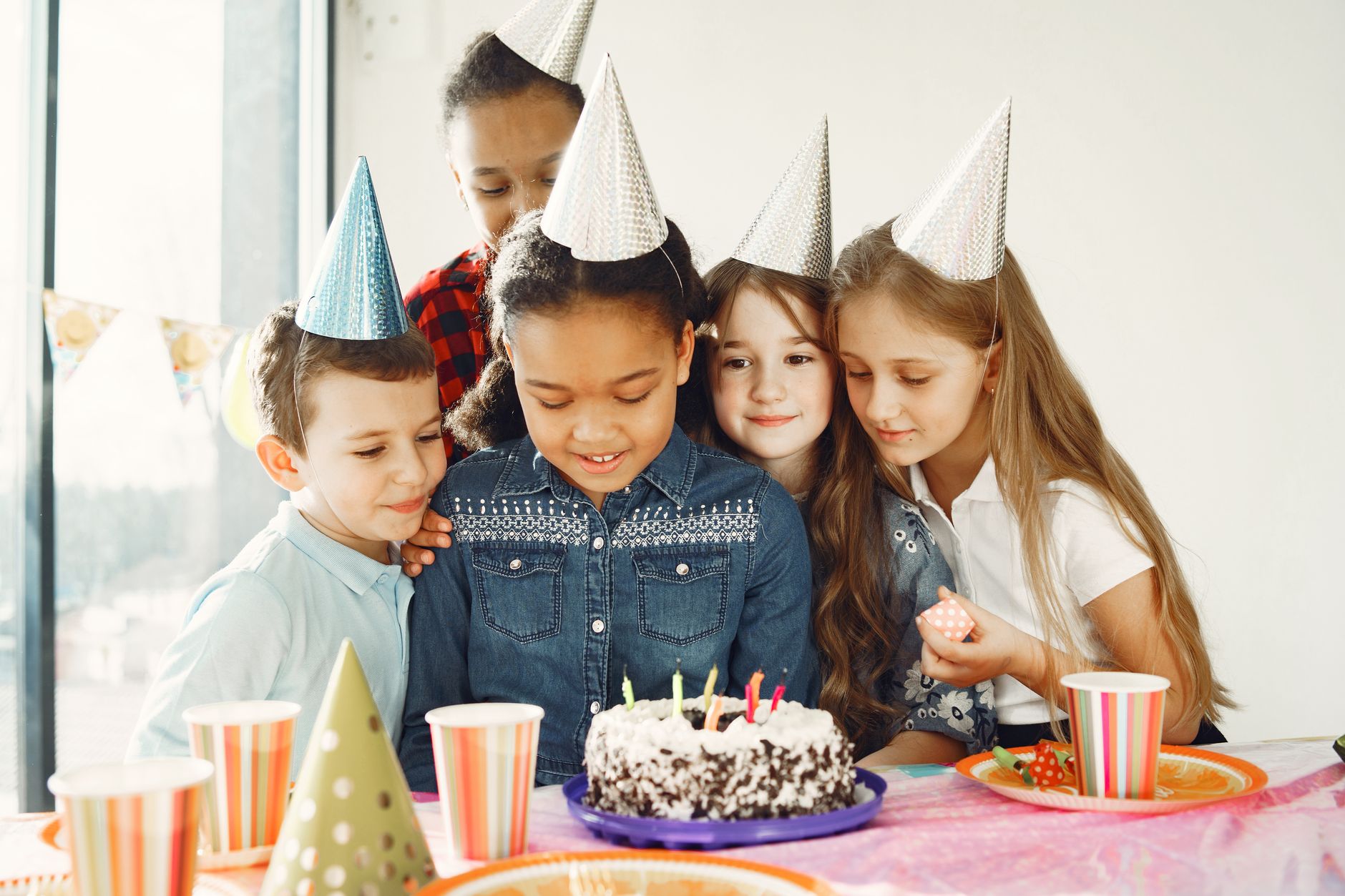
One genuinely useful tip: set out snacks the moment guests arrive. Hungry kids get cranky fast, and something to nibble on during that first 15 minutes sets a calmer tone for the whole party.
Your move: Add one allergy question to your RSVP — "Please let us know of any food allergies or dietary restrictions" — and every family feels welcomed.
Loot Bags: Skip the Plastic, Go Intentional
Loot bags are where parents overspend without much payoff — plastic trinkets break before guests reach the car. A better approach: one or two thoughtful items rather than a bag stuffed with filler.
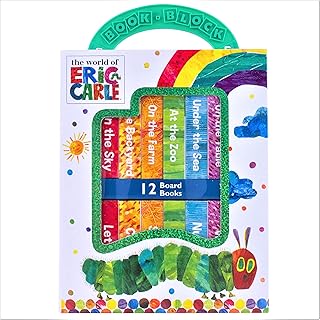
For ages 2–5, a small board book, quality crayons, or bubbles all have real staying power. The Crayola Washable Art Kit, available at Walmart.ca or Well.ca, is a perennial crowd-pleaser that parents genuinely appreciate. For ages 6–10, think friendship bracelet kits (a hit on Amazon.ca and at Snuggle Bugz), a quality notebook, or a mini STEM set. One item tied to the party theme beats a bag of random stuff every time.
Most child development experts recommend open-ended toys — art supplies, building sets — over single-use gadgets, and that logic applies directly to loot bags. Other parents also appreciate skipping the candy overload; a small treat from a Canadian confectionery with real ingredients is a refreshing change.
Your move: Set a per-bag budget of $5–$8 and choose deliberately. Quality always wins.


Planning Around Canadian Seasons
Canadian weather doesn't just influence what you wear — it shapes your entire party format. Accept it, plan around it, and you'll enjoy the process far more.
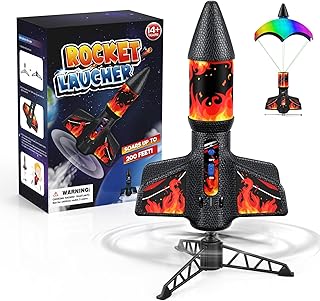
For indoor winter parties (October–April), community centres, indoor play spaces, and home parties all work beautifully. Themes like "Arctic Adventure" or "Superhero Training Academy" tap into the season's energy without feeling forced. For summer parties (May–September), outdoor options open up: backyard BBQs, park picnics, sprinkler parties, relay races, and treasure hunts. Active outdoor toys like a stomp rocket or water table make brilliant registry additions for summer birthdays — check the Best Gifts for a Baby's First Birthday (Canada, 2026) guide for more season-friendly ideas.
Here's the Canadian reality: always have a backup indoor plan for outdoor parties, no matter what the forecast says. A tent from a local rental company or a nearby community centre booked as a fallback prevents last-minute scrambling.
Your move: Before finalizing any outdoor plan, identify your rain option — and if you're renting a space, ask explicitly whether indoor backup is available.


What Makes Canadian Kids' Parties Distinct
Canadian culture genuinely shapes how birthday celebrations feel. Many families gravitate toward cooperative group play over purely competitive games with clear winners — it's more inclusive and makes for a warmer afternoon. You'll also see a beautiful mix of cultural foods reflecting Canada's diversity: spring rolls, butter tarts, and samosas on the same table is completely normal. Lean into family traditions and cultural elements; they add authenticity that no Pinterest board can replicate.
Statistics Canada data shows Canadian families average 1.4 children, meaning each birthday carries real weight as a family milestone — which helps explain why Canadian parents invest so thoughtfully in these celebrations.
If your child's birthday falls in December through February, you're in excellent company. Canadian parents have mastered the indoor winter party out of necessity, and those celebrations have their own warmth and magic.
Your move: Lean into what makes your family's party unique — cultural food, a Robert Munsch read-aloud, a hockey-themed activity. Authenticity is always more memorable than a flawlessly replicated theme.
What Nobody Tells You About Kids' Parties
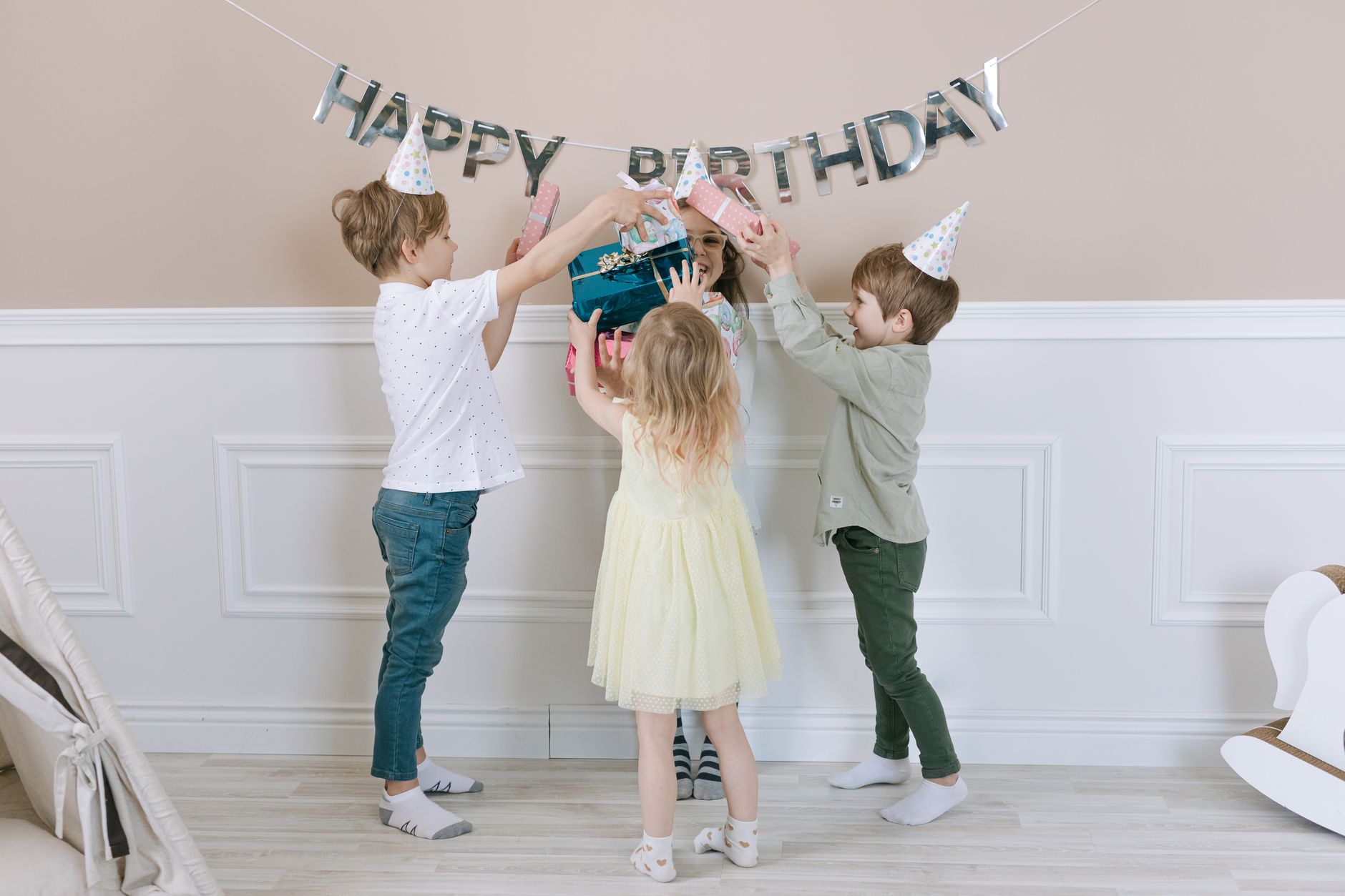
Kids remember the simplest moments most vividly — the silly game, the genuine laughter with a best friend, the pure joy of running around. You could spend $800 on entertainment and what they'll talk about six months later is the ridiculous backyard game you all played together.
Don't fall into the perfection trap. A child's birthday is about celebrating them, not impressing other adults. The slightly lopsided cake and the improvised game don't diminish the party — they often make it more memorable because they're real. And here's an honest truth about elaborately themed parties for 2-year-olds: they're mostly for the parents. Toddlers are happy with balloons, cake, and people paying attention to them.
Finally — accept help. If family or friends offer to bring a dish, assist with setup, or run a game station, say yes without guilt. Party planning, like parenting, goes better with a village.
Your move: Before party day, write down three specific moments you want to be present for. Knowing your priorities makes it easier to delegate everything else.
Using Your GetJoyBox Registry to Simplify Gifting
A well-curated registry removes the guesswork for guests and ensures your child receives gifts they'll genuinely use. For kids aged 4 and up — when children have developed real preferences — a GetJoyBox birthday registry is a genuine game-changer. Add toys that actually get played with, books they'll love, art supplies, or experience passes to local attractions. No duplicate gifts, no panicked toy-store decisions for your guests.
For age-specific ideas to build out your list, these guides cover the most popular ages: birthday gifts for a 5-year-old girl, birthday gifts for an 8-year-old boy, and gender-neutral gifts for a 6-year-old.
When you include your registry link on invitations, a simple warm note does the job: *"To make gift-giving easier, we've put together a wish list on GetJoyBox: [Your Registry Link Here]."* In Canada, this kind of guidance is appreciated rather than seen as demanding — you're not asking for gifts, you're helping guests who want to give make a confident choice.
Your move: Build your registry before you send invitations. Aim for a range of $20–$80 so every guest finds something that fits their budget.
Frequently Asked Questions
When is the best time of year for a kid's birthday party in Canada?▾
How many guests should I invite for a 3-year-old's party?▾
What are some budget-friendly entertainment ideas for a home party?▾
How do I handle picky eaters at a party?▾
Is it considered rude to ask for gifts at a birthday party in Canada?▾
What's the average cost of a children's birthday cake in Canada?▾
Keep reading


Build Your Registry on GetJoyBox
GetJoyBox is the Canadian gift registry built for the way people actually give. Create yours in minutes — free, no credit card required.
Create Your Free RegistryHave an idea? See what's new?
GetJoyBox is a passion project that grows with your feedback. Leave a feature idea or check the latest updates.